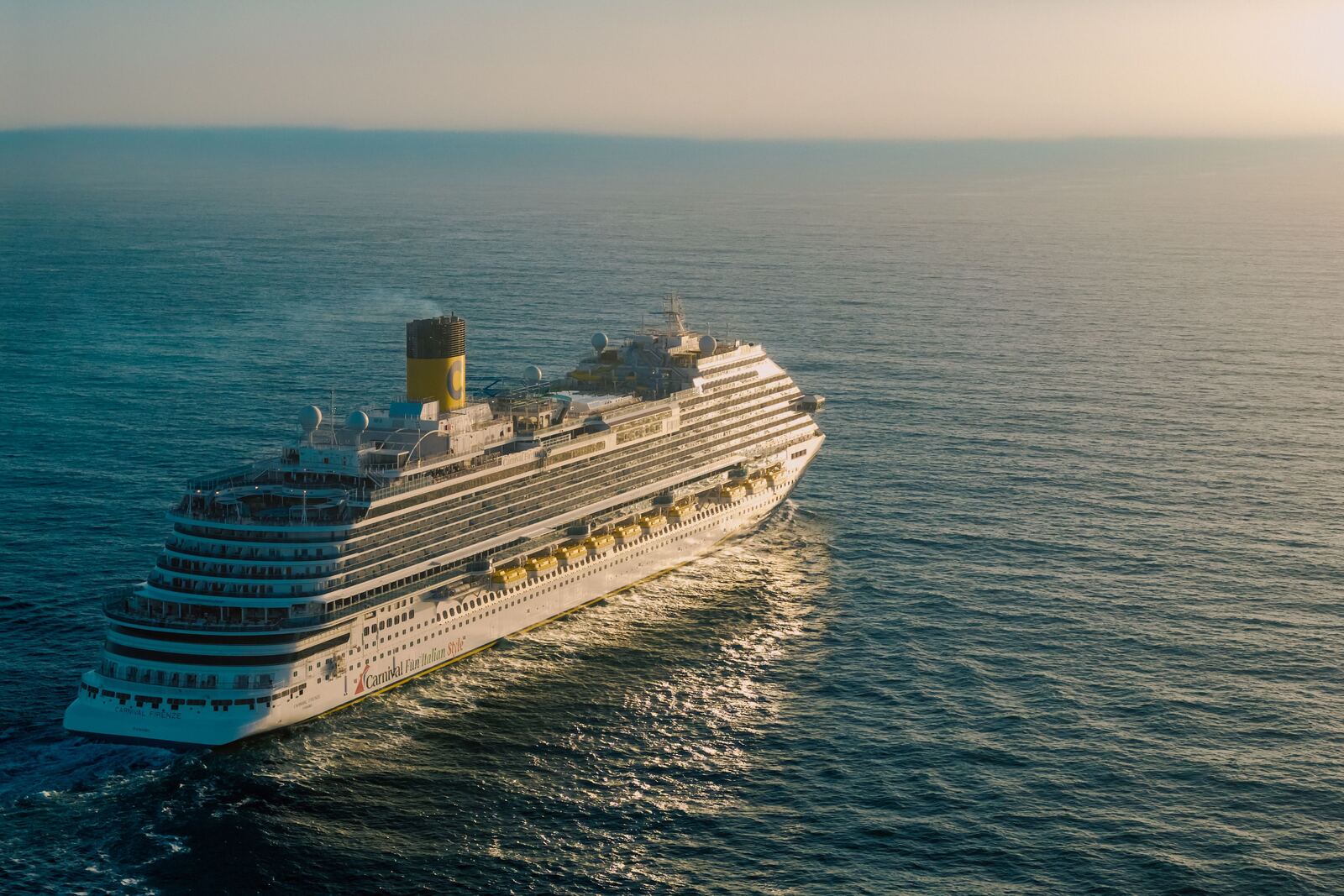
The ship does not wait. That's the single fact that surprises first-time cruisers the most — even if you're running up the pier waving, even if the flight delay wasn't your fault, and even if you booked your flight through the cruise line itself. Ships run on tight, cascading schedules, and holding departure for one late passenger risks a late arrival at the next port for everyone else. Understanding exactly what happens next — and what it costs — is worth knowing before it's a live emergency.
What happens to your money
Cruise lines generally don't offer refunds or future cruise credit for missing departure due to travel delays — your cruise fare is treated the same as a cancellation, subject to the line's standard cancellation penalty at that point before sailing. Taxes, port fees, prepaid gratuities, and prepaid packages you didn't use should be refunded, but the core cruise fare typically is not.
Missed-connection travel insurance can cover flights, hotels, meals, and transportation needed to catch up to your ship at its next port — exactly the expense that hits hardest when a flight delay causes a missed departure. [Replace this box with your actual travel insurance affiliate link once approved.]
Example: Compare missed-connection travel insurance →Catching up at the next port
If you miss the ship at the embarkation port, joining it at the first stop is usually possible, but it's entirely on your own dime and your own logistics. Real-world costs run over $1,500 for two flights and a hotel night to a port like Juneau — and a documented case of a family of four paying $3,764 to rejoin at a later port shows how quickly this can escalate for larger groups or less accessible ports.
| Scenario | Who pays | Typical cost |
|---|---|---|
| Flight booked through the cruise line, delayed/cancelled | Cruise line usually arranges and covers rebooking to next port | Often no extra cost to you |
| Flight booked independently, delayed/cancelled | You (or your travel agent) handle rearrangements directly | $1,500+ for flights and a hotel, per couple |
| No travel insurance | You absorb the full cost of catching up | Full replacement flight + hotel + missed cruise days |
| Travel insurance with missed-connection coverage | Insurer reimburses qualifying costs | Deductible/policy terms apply; often the difference-maker |
Arriving at your embarkation city a full day (or more, for international departures) before your cruise sails removes almost all of the risk that a single delayed flight turns into a multi-thousand-dollar problem. [Replace this box with your actual pre-cruise hotel booking affiliate link once approved.]
Example: Book a pre-cruise hotel near the port →If you decide not to catch up
If rejoining the ship isn't realistic, your belongings are still onboard — the cruise line can usually arrange to have them shipped home, but that service isn't free and isn't fast. Combined with the unrefunded cruise fare, this is generally the most expensive version of a missed departure, which is exactly why the buffer-day strategy and travel insurance matter more than most first-time cruisers assume going in.
The bottom line
Missing the ship is expensive and largely avoidable: arrive at least a day before your cruise departs, book flights through the cruise line when your itinerary is at all tight, and carry travel insurance with missed-connection coverage if you're flying in the same day regardless. None of these fixes guarantee nothing goes wrong, but they're the difference between a stressful but manageable delay and a bill that runs into the thousands.