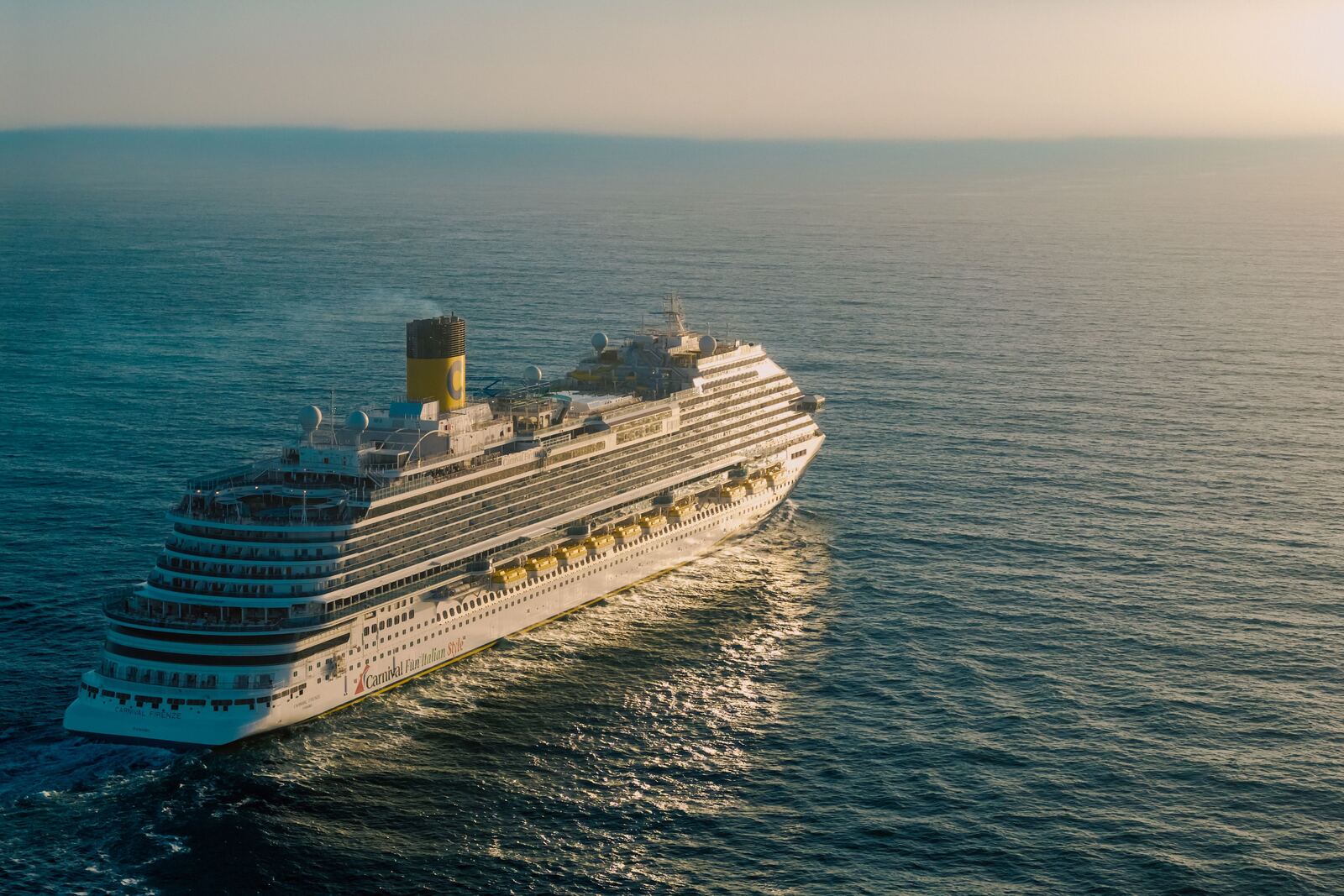
A transatlantic crossing is a fundamentally different kind of cruise — no ports, no excursions, seven straight days at sea between Southampton and New York on Cunard's Queen Mary 2, the only ship still running this route as a genuine ocean liner rather than a cruise ship repositioning between seasons. The voyage itself is the product, not a means to reach a destination.
Embarkation — Southampton, England
Boarding a ship built for crossings, not island-hopping
Southampton has been the departure point for transatlantic liners for well over a century, and boarding Queen Mary 2 here carries a different feel than a typical Caribbean embarkation — this ship was purpose-built for ocean crossings, with deeper stabilizers and a higher freeboard than standard cruise ships to handle the North Atlantic's rougher swells.
| Task | When | Why it matters |
|---|---|---|
| Pack for genuinely variable weather | Before departure | The North Atlantic can swing from mild to stormy within the same crossing |
| Pack formal wear | Before departure | At least 3 formal nights are standard on a 7-night crossing — tuxedo/evening gown expected in main dining rooms |
| Confirm time zone shift direction | Before departure | Westbound (to New York) gains an hour daily; eastbound loses one |
Sea Day — Finding Your Rhythm
The first full day with nothing but open ocean in every direction
With no port on the horizon for a week, the first full sea day is when most passengers start settling into the ship's rhythm — exploring the library (one of the largest afloat), checking the daily program for lectures and activities, and getting oriented to a week built entirely around onboard life.
Spa treatments and specialty dining reservations fill up fastest in the first two days, before passengers realize how quickly a full week at sea books out — reserving early secures the better time slots. [Replace this box with your actual onboard spa/dining reservation affiliate link once approved.]
Example: Compare transatlantic crossing cabin categories →Sea Day — First Formal Night
Dinner jackets, evening gowns, and the ship's signature Gala Evening
Formal nights are a defining feature of a Cunard crossing, not an optional extra — men are expected in a dinner jacket with black tie or a dark business suit, women in evening dress, particularly in the main dining rooms. Gala Evenings bring live orchestra music and a noticeably more polished atmosphere throughout the ship's public spaces.
| Dress code night | Expectation | Notes |
|---|---|---|
| Formal / Gala Evening | Tuxedo or dark suit; evening gown or cocktail dress | At least 3 nights on a standard 7-night crossing |
| Semi-formal / smart casual | Collared shirt, no jeans in main dining | Most remaining evenings |
Sea Day — Planetarium & Lectures
The only planetarium at sea, plus a full day of enrichment programming
Queen Mary 2 carries the only planetarium currently operating at sea, running scheduled shows throughout the crossing. The day's program typically layers in guest lectures on history, science, or current events alongside the planetarium schedule — this is where the "crossing as destination" concept is most obvious.
| Activity | Typical cost | Notes |
|---|---|---|
| Planetarium shows | Included in fare (reservations may be required) | Multiple shows scheduled daily |
| Guest lectures | Included in fare | Topics rotate by sailing — history, science, current affairs |
| Library and card room | Included in fare | One of the largest libraries afloat |
Sea Day — Afternoon Tea & Ballroom Dancing
Two of the crossing's most distinctly Cunard traditions
Formal afternoon tea, served with white-gloved waiters in a dedicated venue, is a daily ritual on Cunard crossings that few other lines replicate at this level of formality. Evenings often bring ballroom dancing in the Queens Room, with live orchestra music — a tradition dating back to the golden age of transatlantic travel.
Ballroom dance lessons are typically offered onboard for passengers unfamiliar with the steps — worth checking the daily program early in the crossing rather than waiting until the final formal night to try it. [Replace this box with your actual onboard activity booking affiliate link once approved.]
Example: Compare Cunard crossing itineraries and cabin classes →Sea Day — Second Formal Night
The crossing's final formal evening before arrival
With New York approaching, the second (or third) formal night of the week tends to carry a slightly different energy — part celebration of the crossing nearly complete, part anticipation of the Statue of Liberty and Manhattan skyline that await the following morning.
Arrival — New York City
One of the most photographed arrivals in cruising — sailing past the Statue of Liberty into Manhattan
The final morning delivers what many passengers consider the highlight of the entire crossing: sailing directly past the Statue of Liberty with the Manhattan skyline ahead, a view unique to ships arriving in New York Harbor rather than flying in. Disembarkation follows standard cruise procedures once docked.
| Task | Timing | Why it matters |
|---|---|---|
| Be on deck for the Statue of Liberty approach | Early morning, arrival day | One of the most photographed moments of any cruise |
| Settle onboard account | Night before, via TV or app | Avoids a line at guest services on the last morning |
| Confirm ground transportation from the pier | Before disembarkation | Manhattan pier traffic can be heavy on arrival mornings |
The bottom line
A transatlantic crossing suits travelers who want the week itself to be the destination — no excursion planning, no port days, just seven days of formal dinners, lectures, a planetarium, and open ocean between two of the world's great port cities. It's a genuinely different rhythm from a typical port-heavy cruise, and packing the formal wear seriously matters more here than on almost any other itinerary on this site.