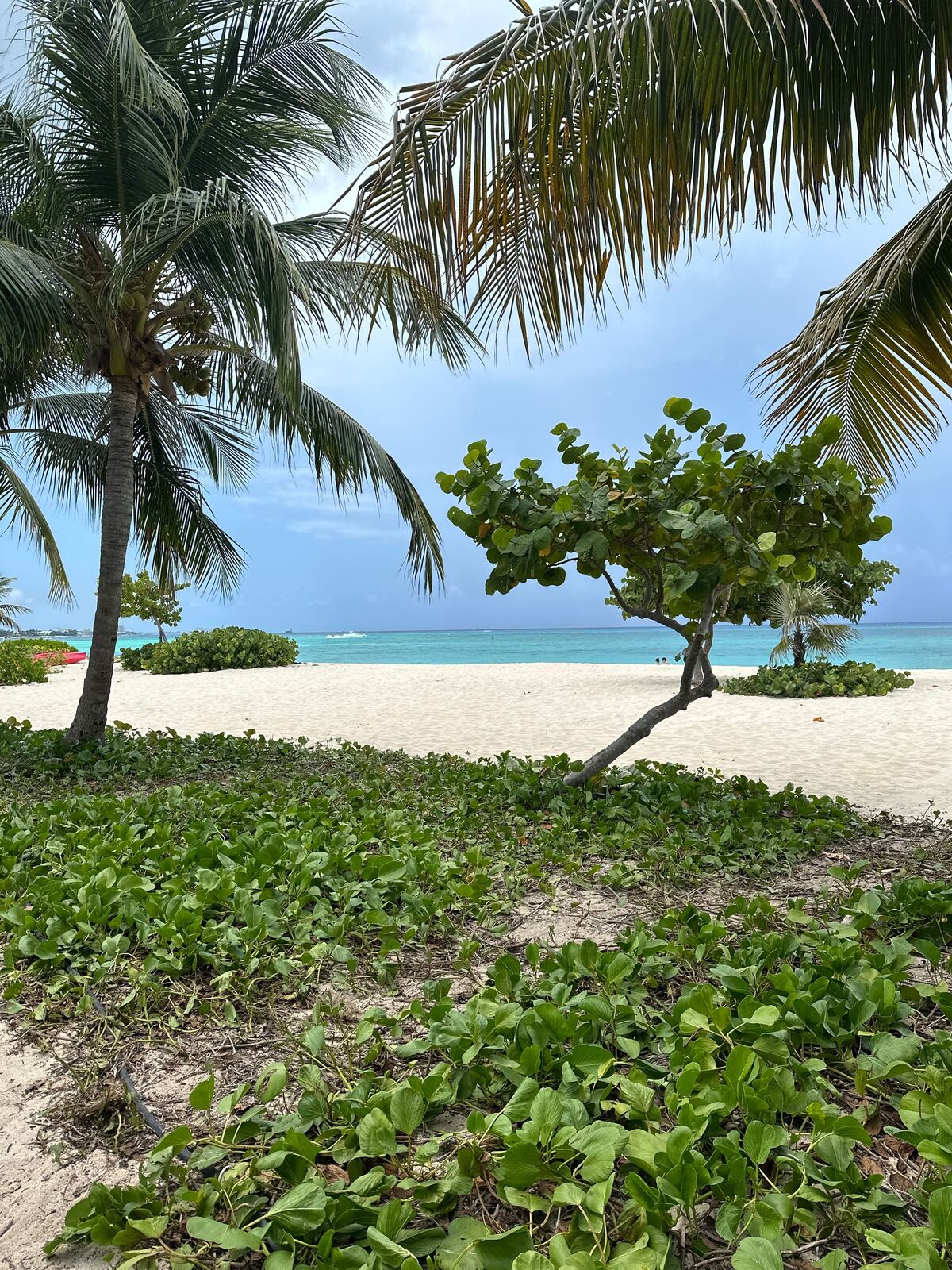
A tender port means the ship anchors offshore instead of docking at a pier, and small boats — tenders — ferry passengers to and from land in batches. It's routine at plenty of popular stops, including Grand Cayman on many Caribbean itineraries, but it's also the single biggest reason a "guaranteed" port day can turn into two hours of standing in a line that never seems to move.
How tender ports actually work
When a ship can't dock — because the port has no pier, the pier is too small for the ship's size, or another ship is already using the available berth — it anchors in the harbor and uses tenders (either the ship's own lifeboats repurposed for the job, or local shuttle boats) to move passengers ashore in shifts. The whole process is slower than walking off a docked ship: tenders hold anywhere from roughly 100 to 150 passengers, and a large ship carrying several thousand people simply cannot move everyone ashore in the first twenty minutes.
What can actually go wrong
| Situation | What it means for your day |
|---|---|
| Rough seas or high wind | Tender operations can be delayed, reduced to fewer boats running, or cancelled — sometimes with no port visit at all |
| Large ship, small port | Waits of 45–90 minutes to get a tender ticket called are common at the busiest arrival window |
| Booking an independent (non-ship) excursion | You're responsible for getting back to the tender dock on time — the ship won't hold a tender for a late independent tour |
| Returning to the ship late | Tenders generally stop running at a published cutoff time before all-aboard, not at the last minute |
How to avoid losing your day
A few habits consistently save time at tender ports. Getting to the tender ticket area early, right when tickets start being distributed, secures an earlier boarding group than waiting even twenty minutes. Booking a ship-sponsored excursion removes the ticket-queue risk entirely, since those groups are typically called first as a block. If cruising independently, building in a buffer of at least 60–90 minutes before the ship's return cutoff protects against both a slow return tender queue and any unexpected reduction in tender service that day.
At ports known for tendering, a ship-run excursion is one of the few ways to guarantee priority tender access — independent tours can still be excellent, but they carry more schedule risk here than at a docked port. [Replace this box with your actual shore excursion affiliate link once approved.]
Example: Compare ship-run excursions at tender ports →Can a tender port be cancelled entirely?
Yes — this is more common at tender ports than docked ones. If sea conditions in the anchorage are unsafe for tender operations, the captain can cancel the tender port entirely for passenger safety, even if the ship itself could handle the seas fine. This is a genuine and unpredictable risk of any itinerary with tender stops, and it's part of why travel insurance with itinerary-change or missed-port provisions is worth checking before sailing to a region with several tender ports.
Checking whether your travel insurance policy includes any missed-port or itinerary-change provisions is worth five minutes, since tender cancellations are one of the more common reasons a planned port day doesn't happen. [Replace this box with your actual travel insurance affiliate link once approved.]
Example: Compare travel insurance coverage for itinerary changes →The bottom line
Tender ports aren't a problem by default, but they add a layer of queueing and weather risk that docked ports don't have. Getting to the tender ticket area early, favoring ship-sponsored excursions at the busiest tender stops, and building in a generous return buffer are the three habits that keep a tender port from eating into — or wrecking — a day you were looking forward to.