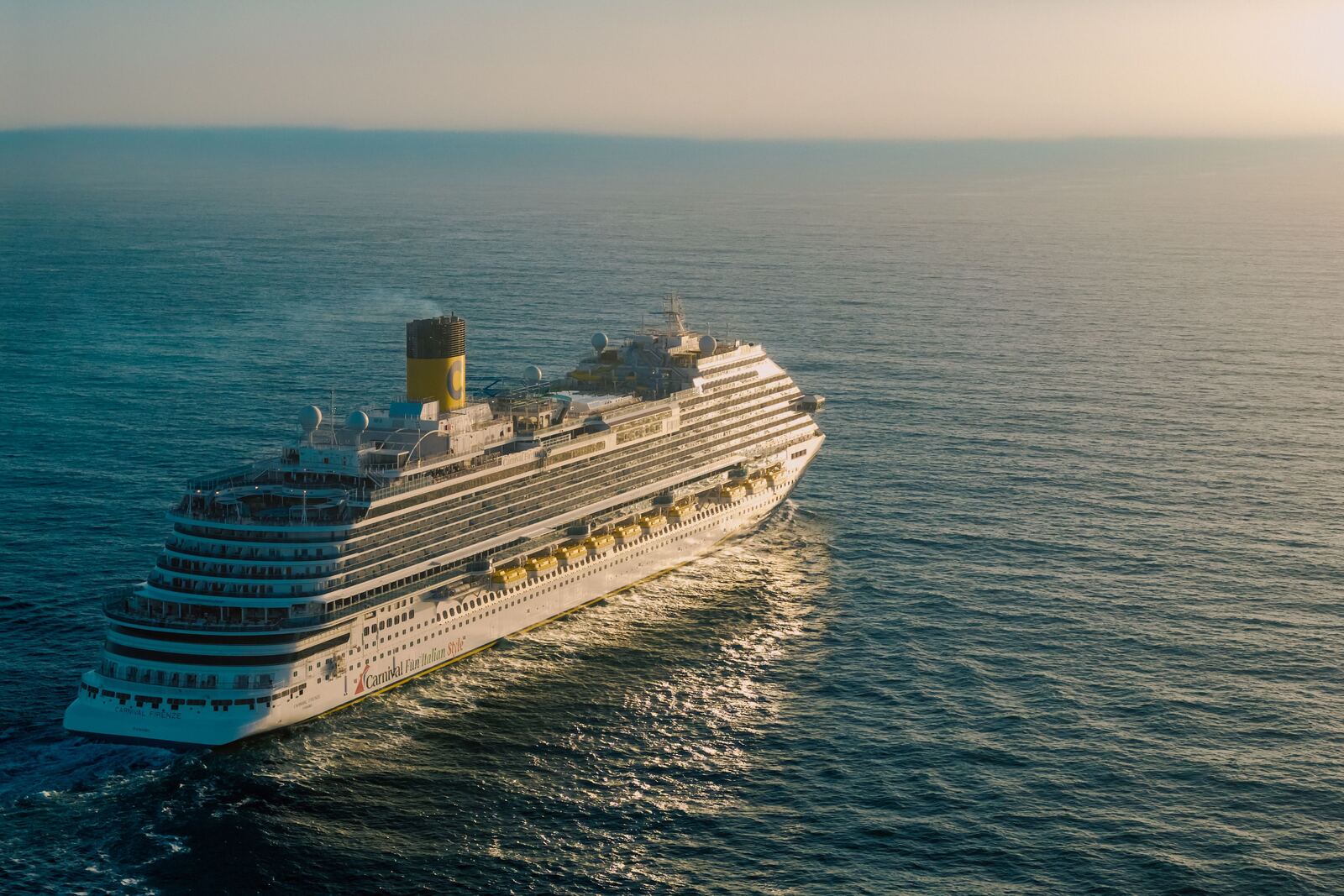
Ship size shapes almost everything about a cruise — how crowded it feels, which ports it can reach, how much entertainment is onboard, and even which cities still allow it to dock at all. Small ships (roughly 100-1,000 guests) and mega ships (2,000-7,600+ guests) represent opposite philosophies, and neither is objectively better; the right choice depends entirely on what kind of trip is actually wanted.
Passenger experience and pace
| Small ship | Mega ship | |
|---|---|---|
| Atmosphere | Intimate, quieter, more personalized service | High-energy, bustling, more anonymous |
| Boarding/disembarkation | Fast — little to no waiting in lines | Can take hours, done in assigned groups by arrival time |
| Social experience | Repeat faces throughout the trip; easier to make friends | Larger, more anonymous crowd |
| Service ratio | Higher crew-to-guest ratio, more attentive service | Lower ratio; service can feel less personal, especially at bars |
Dining and entertainment
| Small ship | Mega ship | |
|---|---|---|
| Dining variety | Often just one main dining room; limited alternative restaurants | Multiple specialty venues — steakhouses, sushi bars, Italian, seafood grills |
| Entertainment | Limited; no big theater productions | Extensive — full theater shows, casinos, trivia, comedy, multiple live music venues |
| Kids programming | Often minimal or restricted; some small-ship lines are adults-focused or ban children outright | Dedicated kids clubs and staffed family programming on nearly all mainstream mega ships |
| Best fit | Couples and adults prioritizing quiet and food quality over variety | Families and travelers who want maximum activity and dining choice |
Because dining variety differs so much by ship size, checking a specific ship's restaurant list against what matters most — quality over quantity, or the reverse — is worth doing before booking either style. [Replace this box with your actual cruise comparison/booking affiliate link once approved.]
Example: Compare small ship and mega ship itineraries →Port access and 2026 large-ship restrictions
| Small ship | Mega ship | |
|---|---|---|
| Port access | Can call on smaller, more remote ports mega ships physically can't reach | Limited to ports with terminals built for large-vessel capacity |
| 2026 overtourism restrictions | Generally unaffected | Cities including Amsterdam, Barcelona, Venice, and Santorini have restricted or limited large-ship access due to overtourism and environmental concerns |
| Practical impact | More itinerary flexibility to lesser-visited destinations | Some popular European and Mediterranean ports now cap or reduce large-ship calls — check current restrictions before booking a specific itinerary |
Large-ship port restrictions have expanded in popular European destinations — confirming a mega ship itinerary's exact ports against current 2026 restrictions avoids surprises after booking. [Replace this box with your actual cruise comparison/booking affiliate link once approved.]
Example: Compare current large-ship port restrictions →The bottom line
Small ships win on intimacy, port access, and fast boarding, but trade away dining variety, entertainment, and family-friendly amenities to get there. Mega ships flip that trade entirely — maximum activity, dining choice, and kids programming, at the cost of crowds, longer boarding times, and a growing list of European ports now restricting large-ship access. Neither size is the "correct" choice; it comes down to whether variety and energy or intimacy and access matter more for a specific trip.