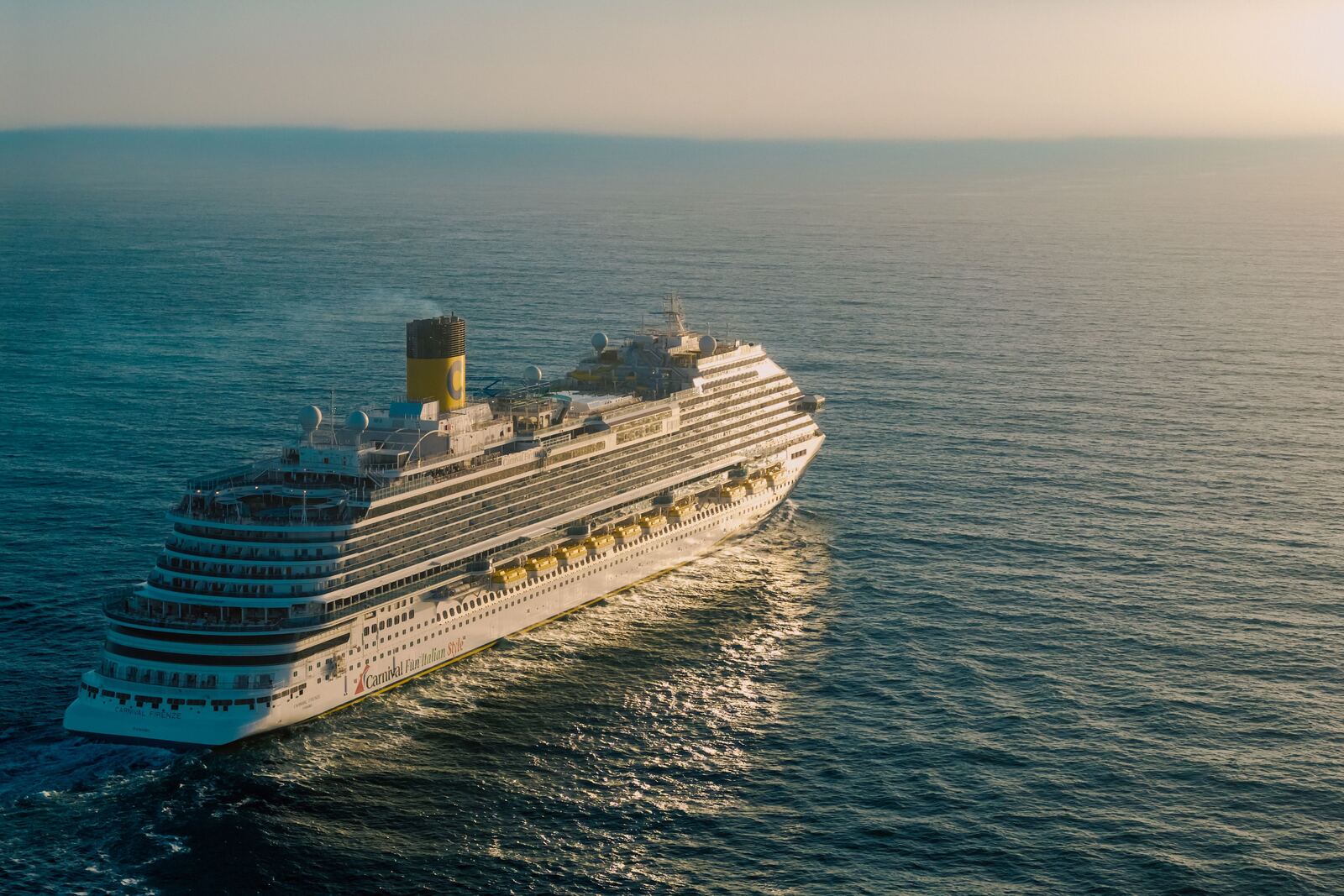
Modern cruise ships are far more stable than most first-timers expect — large stabilizer fins beneath the waterline significantly reduce roll, and most mainstream itineraries stay in relatively calm waters. Still, seasickness is real for a meaningful share of cruisers, especially on smaller ships, in rougher seas, or during the first day or two before your body adjusts. Here's what's actually backed by evidence, not folklore, plus the practical choices — like cabin location — that make a real difference.
Medication options, compared
Prevention works far better than treatment after symptoms start — most seasickness medications are significantly less effective once nausea has already set in, so the standard medical advice is to take something before you feel anything, not after.
| Option | How it works | Timing | Notes |
|---|---|---|---|
| Meclizine (Bonine, generic) | Oral antihistamine, long-lasting | Take 1-2 hours before travel | Generally lower drowsiness than dimenhydrinate; once-daily dosing |
| Dimenhydrinate (Dramamine, generic) | Oral antihistamine, faster-acting | Take 1-2 hours before travel | More likely to cause drowsiness than meclizine |
| Scopolamine patch | Transdermal patch behind the ear, prescription | Apply 6-8 hours before travel | Lasts up to 3 days per patch; can cause drowsiness or dry mouth in some people — prescription only |
| Ginger (tea, chews, capsules) | Helps settle stomach upset | Ongoing, as needed | Mild evidence for nausea relief; low risk, reasonable to combine with other options |
| Acupressure wristbands (Sea-Bands) | Pressure on the P6 wrist point | Worn continuously | Clinical evidence is mixed, but they're inexpensive, drug-free, and have no real downside to trying |
Seasickness medication is available onboard at the ship's medical center or gift shop, but usually at a significant markup compared to buying it before your trip — pack what you'll likely need rather than relying on finding it onboard. [Replace this box with your actual travel health/pharmacy affiliate link once approved.]
Example: Motion sickness travel kit →Cabin location actually matters
Where your cabin sits on the ship has a measurable effect on how much motion you feel, independent of any medication or remedy.
| Location | Motion level | Why |
|---|---|---|
| Midship, lower decks | Least motion | Ships pivot around their center, and lower decks sit closer to the waterline where movement is slower |
| Forward (front) cabins | More motion | The bow rises and falls the most as the ship moves through waves |
| Aft (back) cabins | More motion | Similar effect to forward cabins, plus engine vibration on some ships |
| Upper deck cabins | More motion | Higher decks amplify the ship's roll, regardless of forward/aft/midship position |
| Balcony vs. interior, same location | Depends on your sensitivity | A visible horizon can help some people orient and feel less nauseated; others with strong visual sensitivity do better with no window at all |
Practical takeaway: if you're prone to motion sickness or unsure how you'll react, booking midship on a lower deck is the single most effective non-medical choice you can make before you even board.
What to do if symptoms hit mid-cruise
| Action | Why it helps |
|---|---|
| Go on deck and look at the horizon | Gives your inner ear and eyes matching visual and physical motion cues, reducing the sensory conflict that causes nausea |
| Move to a lower, more central location on the ship | Physically reduces the amount of motion you're experiencing |
| Avoid reading or screens while symptomatic | Close-up focus while the body is in motion worsens the sensory mismatch |
| Eat something light and bland | An empty stomach can worsen nausea for some people; heavy or greasy food can worsen it for others |
| Stay hydrated | Dehydration can compound feelings of nausea and fatigue |
| Visit the ship's medical center if symptoms are severe | Medical staff can offer stronger anti-nausea treatment if over-the-counter options aren't enough |
The bottom line
Most people never feel meaningful motion on a modern cruise ship, especially on larger vessels with stabilizers sailing calm itineraries like the Caribbean. If you're prone to motion sickness, stack the odds in your favor before you sail: book a midship, lower-deck cabin, pack medication rather than counting on finding it onboard, and take it preventively rather than waiting for symptoms to start. If you do feel unwell mid-cruise, fresh air and a view of the horizon solve it for most people within an hour or two.