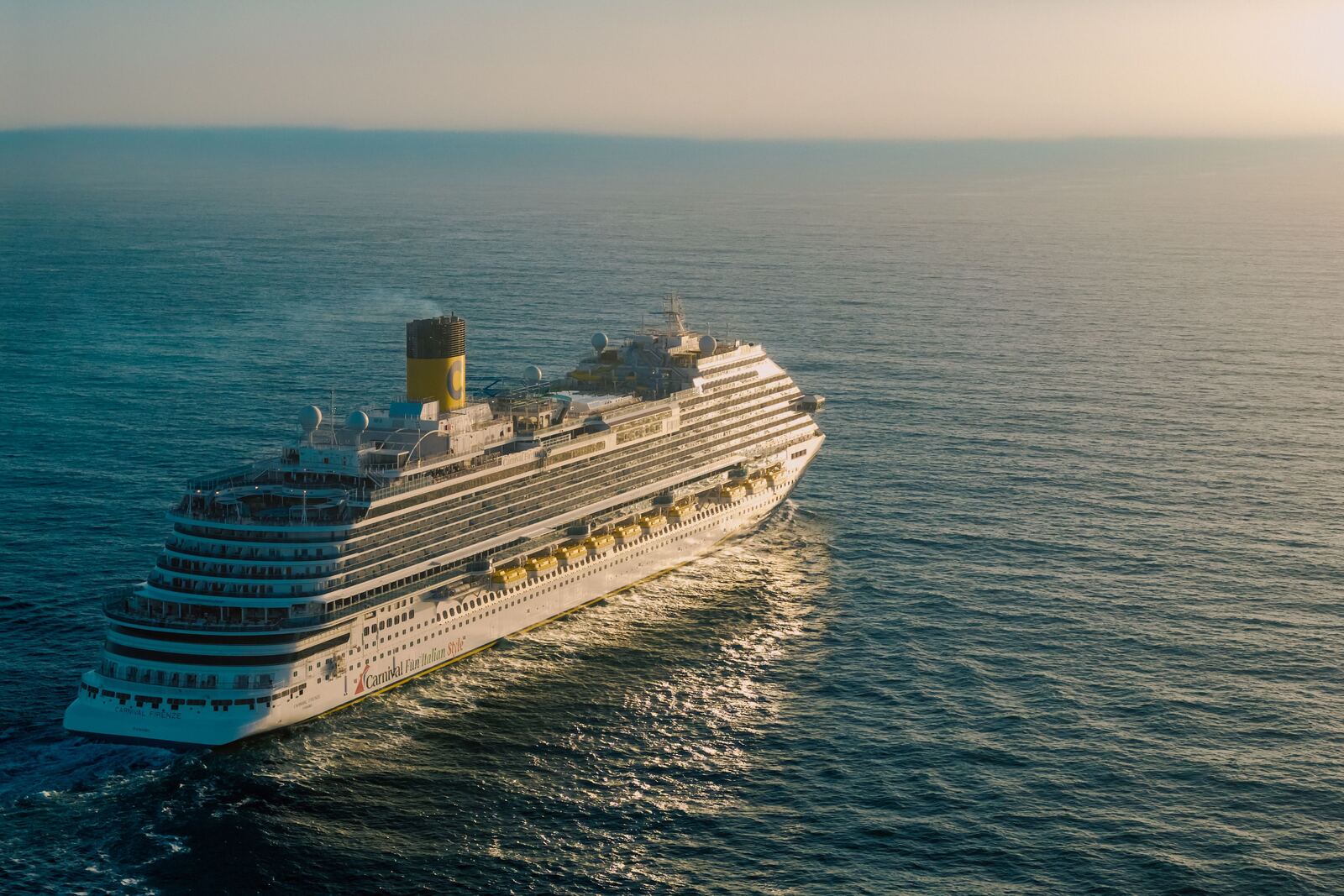
A repositioning cruise happens when a cruise line moves a ship from one seasonal region to another — Europe to the Caribbean in the fall, the Caribbean back to Europe or Alaska in the spring — and instead of sailing that stretch empty, the line sells it as a one-way voyage at a steep discount. The catch isn't hidden in the fare, it's in the flight home, and doing that math before you book is what separates a genuinely cheap trip from a surprise-expensive one.
Why repositioning cruises are so cheap
Every spring and fall, ships that spent the summer in Europe or Alaska need to get back to Caribbean and Florida homeports for winter, and vice versa in reverse. Rather than sail that transit with empty cabins, the line prices it to fill the ship — these are one-way sailings outside the regular seasonal rotation, so demand and pricing both run lower than a standard round-trip itinerary.
| Route | Typical length | Typical per-night price |
|---|---|---|
| Europe to Caribbean/Florida (fall) | 14-16 nights | $100-160/person/night on mainstream lines; some as low as $29/night |
| Caribbean/Florida to Europe (spring) | 14-16 nights | Comparable discount pricing, timing-dependent |
| Departure ports | — | Commonly Barcelona, Lisbon, Southampton, Rome |
The real trade-off: flights, not the cruise fare
| What you save | What you pay for instead |
|---|---|
| Per-night cruise fare, often half of a standard sailing | One-way airfare to the departure port or home from the arrival port — budget $400-1,000+ per person |
| Round-trip flight cost eliminated | Less flexibility on flight timing since you're locked to the ship's arrival date |
Price your one-way flight home for the exact arrival date first — that number decides whether the deal is actually a deal. [Replace this box with your actual flight search/booking affiliate link once approved.]
Example: Compare one-way flight prices →Who repositioning cruises are a good fit for
| You'll likely enjoy this if you... | Reconsider if you... |
|---|---|
| Genuinely enjoy sea days and don't need a port every day | Want frequent port stops — these sailings spend far more days at sea than a typical itinerary |
| Have flexible dates and can find a reasonable one-way flight | Are locked into a fixed return date that doesn't line up with the ship's arrival |
| Want a slower crossing that eases jet lag gradually (time zones shift a little each day) | Get seasick easily — transatlantic crossings can hit choppier, less predictable water than a Caribbean or Mediterranean run |
| Are comfortable holding a passport valid 6+ months out | Were planning to sail without a passport — repositioning cruises require one even when a similar closed-loop itinerary wouldn't |
Booking tips
| Tip | Why it matters |
|---|---|
| Book 9-12 months out for cabin selection, or watch for last-minute drops 6-8 weeks before departure | Wide range of pricing strategies work here depending on your flexibility |
| Compare one-way, round-trip, and open-jaw flight pricing | The cheapest total trip cost isn't always the obvious one-way ticket |
| Consider an oceanview or balcony over an interior cabin | 7+ consecutive days without natural light affects some travelers more than a typical week-long cruise |
| Check port stops on the specific sailing | Some transatlantic routes include the Azores or Canary Islands; others are pure sea days |
The bottom line
Repositioning cruises can be one of the best per-night values in cruising — sometimes half the cost of a standard sailing for the same ship and amenities — but the savings live in the cruise fare only, not the total trip. Price the one-way flight home for your actual travel dates before you book, because that single number is what turns this from a genuine deal into a wash.