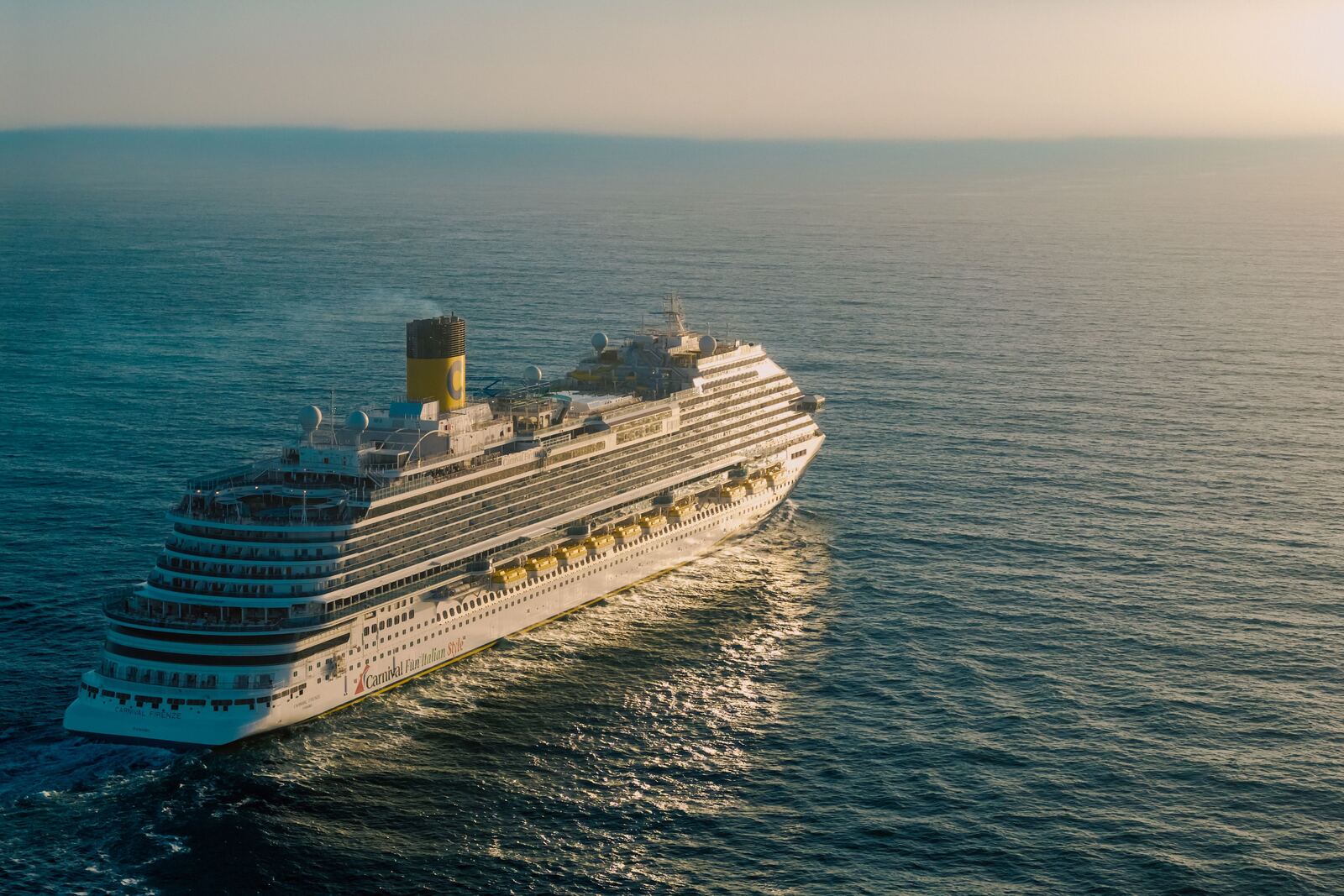
Every major cruise line restricts pregnant travelers to under 24 weeks of pregnancy at some point during the sailing, and every line requires physician documentation before boarding — this isn't a guideline that gets waived at the pier. The restriction exists because ships don't carry an OB/GYN onboard, and an unstable pregnancy without backup medical care is a real risk the cruise lines aren't equipped to manage.
Pregnancy cutoffs by cruise line
| Cruise line | Cutoff | Documentation required |
|---|---|---|
| Carnival | Must not have entered the 24th week by disembarkation | Physician's letter confirming good health, fitness to travel, low-risk pregnancy, and estimated due date |
| Royal Caribbean | Cannot be more than 23 weeks pregnant at any point during the cruise | Physician's "Fit to Travel" note stating weeks pregnant at sailing start and confirming low-risk status |
| Norwegian | Must not enter the 24th week by the time travel concludes | Doctor's statement on letterhead, including due date, sent to NCL's Access Desk in advance |
| Holland America | Must not enter the 24th week at any point during the voyage | Physician documentation confirming fitness to travel |
| MSC Cruises | Cannot be 24 weeks or more pregnant by the end of the cruise | Physician documentation required |
Why the restriction exists
Cruise ships carry general medical staff equipped for common illnesses and injuries, but not a dedicated obstetrician or the equipment for a complicated delivery. A pregnancy that becomes unstable at sea — particularly one that goes into premature labor — can't access the same level of care available on land, and diverting a ship or arranging a medical evacuation mid-ocean is far more complex than doing so from a port city. The 24-week line reflects the point where premature delivery risk becomes a serious enough concern that cruise lines decline to take it on.
Because the physician's letter needs specific language — due date, fitness to travel, confirmation the pregnancy isn't high-risk — scheduling that appointment with enough lead time before the cruise avoids a last-minute scramble for the right documentation. [Replace this box with your actual travel insurance/medical documentation affiliate link once approved.]
Example: Compare pregnancy travel insurance options →Travel insurance considerations
Standard travel insurance policies often exclude pregnancy-related complications or childbirth as a covered reason for cancellation unless purchased early and with the right rider. Given that pregnancy timelines can shift unexpectedly, checking whether a policy covers pregnancy complications specifically — not just general trip cancellation — is worth doing before finalizing a cruise booked while expecting.
Some cruise lines will deny boarding at the terminal if the required documentation isn't in hand, even with a confirmed reservation — bringing a printed physician's letter, not just a digital copy, is the safer approach on embarkation day. [Replace this box with your actual travel documentation affiliate link once approved.]
Example: Compare cruise line pregnancy policies before booking →The bottom line
Cruising while pregnant is possible on every major line up to roughly 24 weeks, but it requires physician documentation arranged well before sailing — this isn't a rule that gets bent at check-in. Confirming the exact cutoff wording for the specific cruise line, scheduling the doctor's appointment early, and checking travel insurance coverage for pregnancy-related issues are the three things worth doing before booking a cruise while expecting.