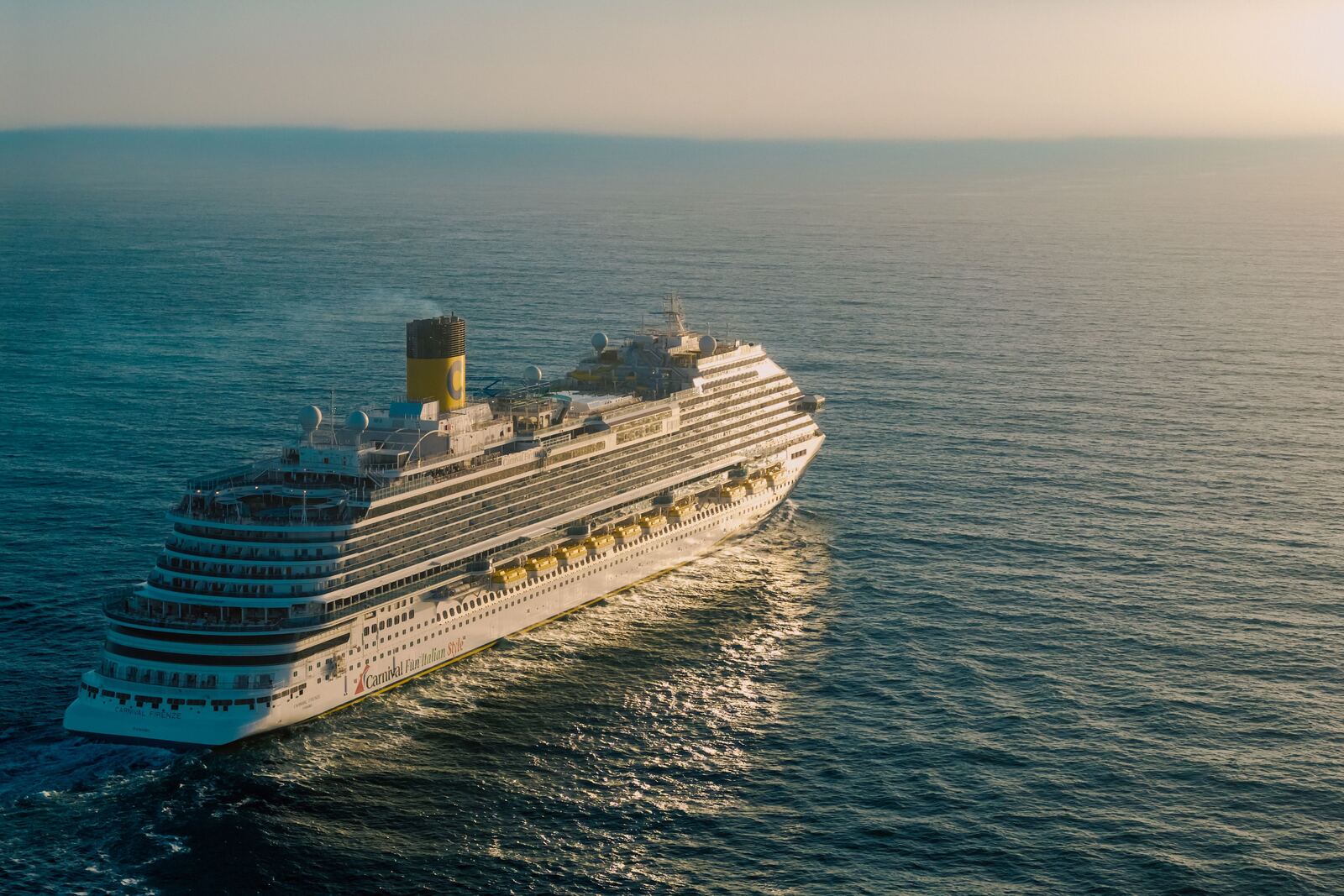
Flying in the same day a cruise departs is the single biggest reason cruisers miss the ship — around 20% of cruisers deal with some kind of missed-sailing risk tied to same-day travel. A pre-cruise hotel night isn't just a nice-to-have buffer; some lines now require it outright.
How many nights to book
The baseline recommendation from cruise lines and travel experts alike is to arrive at least one full day before embarkation — that gives a buffer to rebook a flight if there's a delay or cancellation, without risking the ship sailing without you. For international departures, overseas positioning cruises, or itineraries crossing several time zones, two nights is the safer call, giving both a delay buffer and time to recover from jet lag before boarding.
| Situation | Recommended pre-cruise nights |
|---|---|
| Domestic flight to a US departure port | 1 night minimum |
| International flight or major time zone change | 2 nights |
| Winter departure or connection-heavy routing | 2 nights — weather delays compound with connections |
| Booking flights independently (not through the cruise line) | Still 1+ night recommended even though not required |
What happens if you miss the ship
Cruise ships depart on schedule regardless of individual passenger delays — a missed embarkation typically means arranging to catch the ship at its next port at personal expense, or missing the cruise entirely if no viable connection exists. Travel insurance with trip-delay coverage can help offset the cost of last-minute flights or hotels needed to catch up with the ship, but it doesn't guarantee smooth logistics on the day of.
Cruise line pre-cruise hotel packages (Norwegian, Princess, Disney, and others all offer 1-3 night options) bundle transportation to the pier with the hotel stay, removing one more point of failure on embarkation morning. [Replace this box with your actual pre-cruise hotel package affiliate link once approved.]
Example: Compare pre-cruise hotel packages by cruise line →Post-cruise stays
A post-cruise hotel night matters less for missed-ship risk but still has real value — it avoids the stress of a same-day flight immediately after disembarkation, when luggage handling, customs, and transportation to the airport can eat into a tight connection window. It's also simply a chance to explore the port city without the pressure of packing for a flight the same morning.
| Reason for a post-cruise night | Value |
|---|---|
| Avoiding a tight same-day flight connection | High — disembarkation delays are common and hard to predict |
| Exploring the port city before flying home | Moderate — a bonus rather than a necessity |
| Recovering before a long flight home | Higher for international or long-haul return flights |
Trip delay and interruption coverage through travel insurance specifically protects the cost of last-minute hotels and flights if a delay does happen — worth reviewing what a policy actually covers before assuming a missed connection is automatically reimbursed. [Replace this box with your actual travel insurance affiliate link once approved.]
Example: Compare travel insurance with trip delay coverage →The bottom line
One night before the cruise is the bare minimum worth booking, two nights is the safer choice for international or complex travel, and Norwegian's new mandatory day-before-arrival policy for NCL Air bookings reflects just how common missed-sailing risk has become. A post-cruise night is optional but genuinely reduces stress around disembarkation-day flights — both add cost, but both meaningfully cut the risk of a ruined trip over a flight delay.