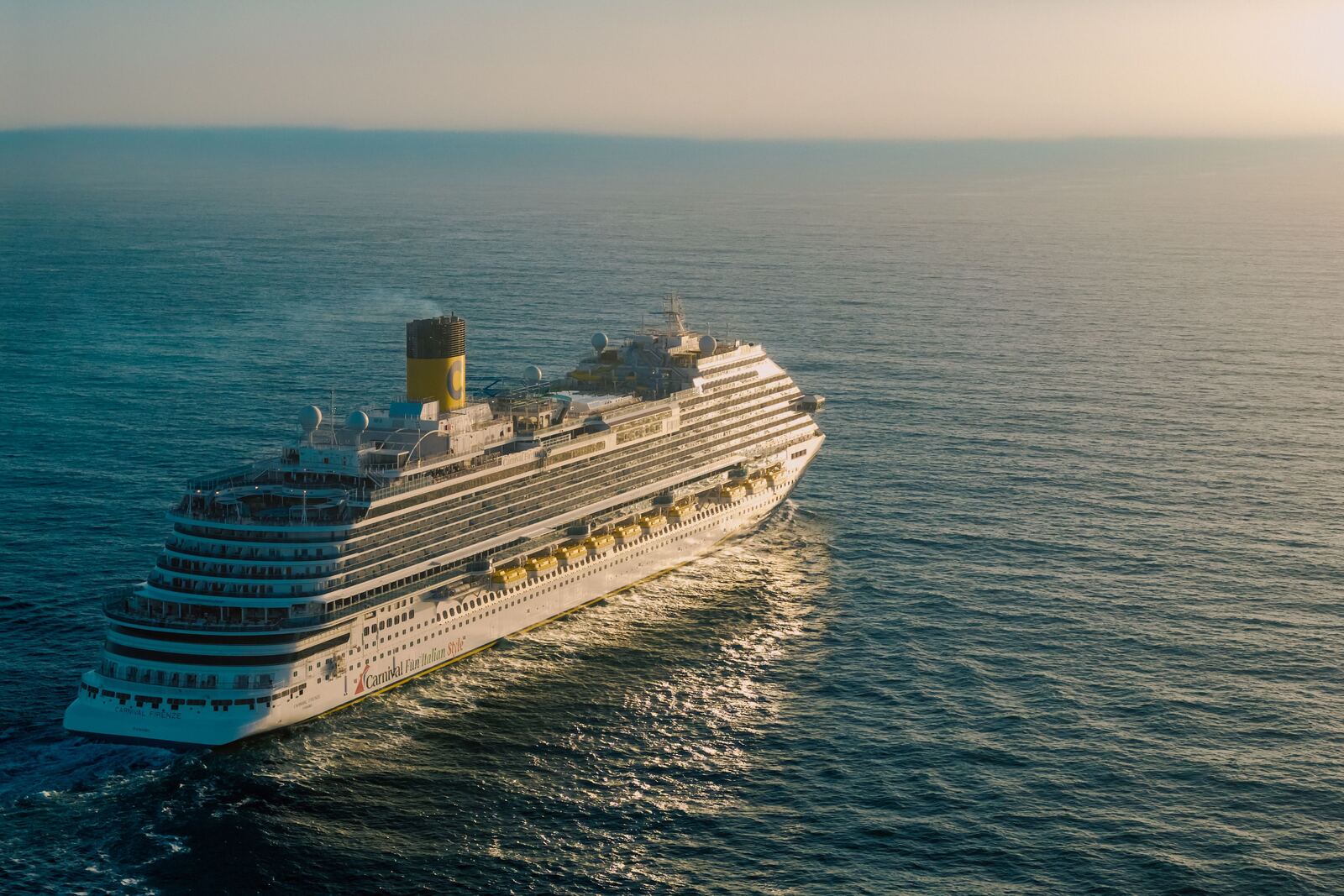
A Panama Canal cruise is less about beach days and more about watching genuine engineering — a ship you're standing on gets physically raised 85 feet by a lock system built more than a century ago, using nothing but gravity to move 26 million gallons of fresh water per chamber. The first decision that shapes the whole trip is full transit versus partial transit, and the two are different enough in length, cost, and experience that it's worth understanding before booking either.
Full transit vs. partial transit
| Full Transit | Partial Transit | |
|---|---|---|
| What it covers | The entire canal — all locks, Gatun Lake, and the Culebra Cut, usually done in a single daylight passage | Enters from the Caribbean side, passes through the Gatun Locks, crosses Gatun Lake, then returns the same way |
| Typical cruise length | 14 nights or longer, often with many sea days | 10-11 nights, round trip from Florida |
| Vacation time required | More — often two weeks or more | Less, and easier to plan flights around a round trip |
| What you experience | The complete canal crossing coast to coast | Still passes through the most dramatic section — the Gatun Locks and Gatun Lake |
How the Gatun Locks actually work
The Gatun Locks consist of three chambers that raise a ship 85 feet from the Atlantic side up to the level of Gatun Lake. Each chamber fills or drains 26 million gallons of fresh water entirely by gravity — no pumps involved. Electric locomotives called "mules" run on tracks along the lock walls, connected to the ship by cables that keep it centered as it moves through each chamber, not to pull the ship's actual propulsion.
| Stage | What happens |
|---|---|
| Approach | Ship enters the first chamber under its own power, guided by the mules on both sides |
| Chamber fill | Water floods in by gravity from Gatun Lake, raising the ship roughly 28 feet per chamber |
| Gate opens | Ship moves into the next chamber; process repeats twice more |
| Gatun Lake | Ship sails across the man-made lake, through jungle scenery, at the elevated water level |
Typical 2026 itineraries and ports
Most current itineraries connect Florida or Caribbean ports to the U.S. West Coast, with a handful of Central and South American port stops along the way. A representative route runs Miami to Cartagena, Colombia, then Colón, Panama for the canal crossing, followed by Puntarenas, Costa Rica, and often Cabo San Lucas, Mexico, before concluding on the West Coast.
| Port | What it's known for |
|---|---|
| Cartagena, Colombia | Walled colonial old town, colorful architecture, one of the best-preserved Spanish colonial cities in the Americas |
| Colón, Panama | Gateway to the canal's Caribbean-side locks; typically a transit day, not a shopping stop |
| Puntarenas, Costa Rica | Rainforest excursions, wildlife tours, and access to Costa Rica's Pacific coast landscapes |
| Cabo San Lucas, Mexico | Beaches, water sports, and the famous El Arco rock formation, often the final stop before disembarking |
Cabin location matters more on a canal transit than almost any other cruise — a starboard or portside balcony with a clear view of the locks turns the crossing from something you watch on a screen into something you experience firsthand. [Replace this box with your actual cabin/booking affiliate link once approved.]
Example: Compare Panama Canal cruise cabins →2026 outlook
After a stretch of drought-related restrictions that limited canal traffic in recent years, the canal is operating close to normal capacity again heading into 2026, and most scheduled sailings are expected to run as planned. Some seasonal and booking-specific risk still exists, so it's worth confirming your specific sailing's transit status closer to departure rather than assuming it's guaranteed months out.
Because canal transit scheduling can shift with water levels and seasonal conditions, confirming your exact itinerary's transit status directly with the cruise line before final payment avoids an unwelcome surprise. [Replace this box with your actual cruise booking affiliate link once approved.]
Example: Check current Panama Canal sailings →The bottom line
A partial transit delivers the canal's signature moment — the Gatun Locks and Gatun Lake — in a shorter, easier-to-plan cruise, while a full transit adds the complete coast-to-coast crossing at the cost of a longer trip and more vacation time. Either way, this is one of the few cruises where the "port day" highlight isn't a beach or a city, it's the ship itself moving through century-old engineering, which makes deck access and cabin location worth prioritizing over the usual excursion planning.