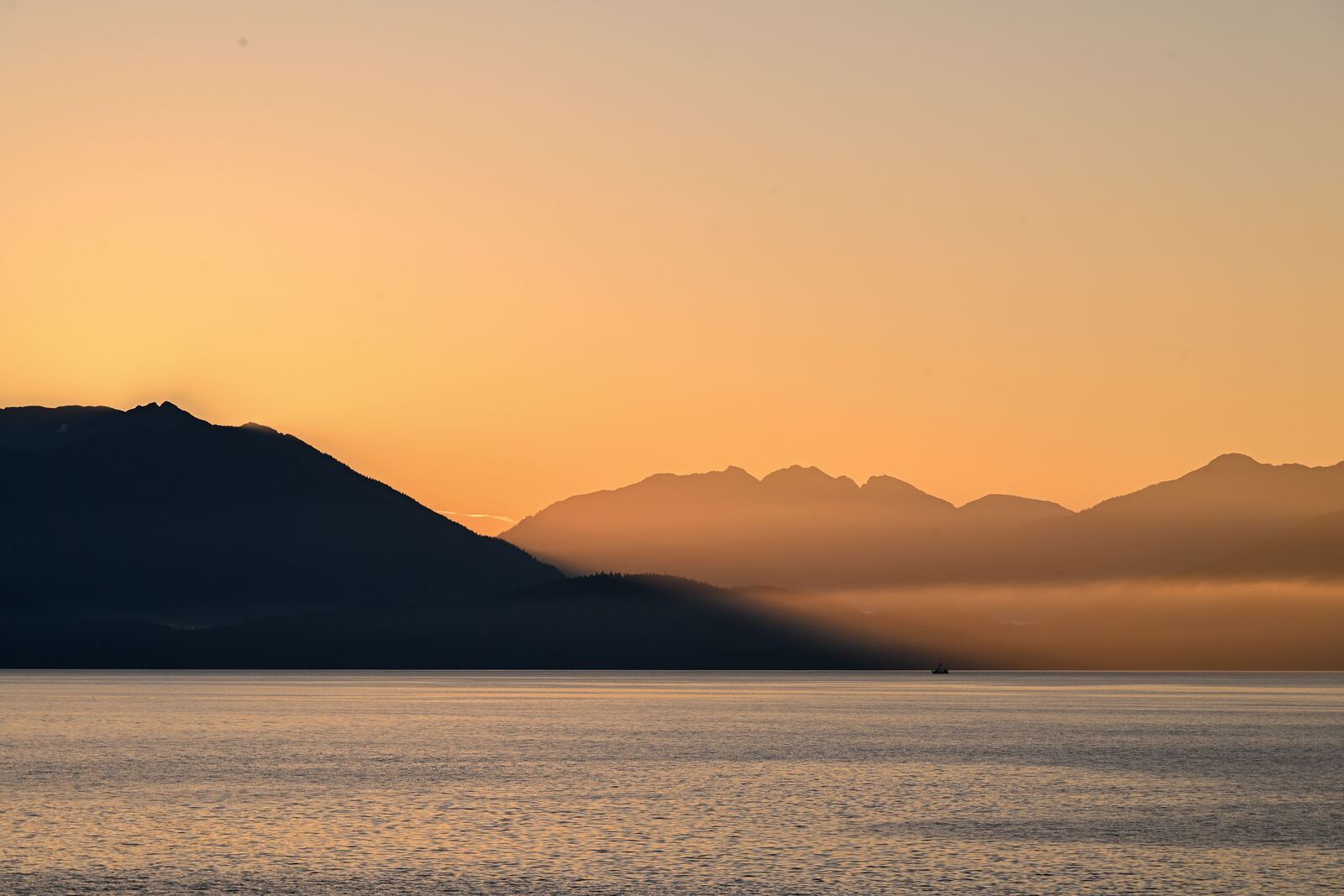
First Alaska Cruise: What to Pack and Expect
Packing · 15 min read · Updated for 2026
Alaska packs differently than every other cruise on this site — there's no swimsuit-first mentality here, and the single biggest first-timer mistake is underestimating how cold glacier days feel compared to the mild temperatures forecast for the rest of the itinerary. The fix is a layering system, not a heavier coat, and knowing that a lot of what makes Alaska memorable (whales, glaciers, wildlife) happens on deck, in the wind, not in port.
35–65°FTypical range across the season
3Layers: base, mid, waterproof shell
10–15°FColder feel on glacier days from katabatic wind
June–JulyPeak whale season
Temperatures by month
| Month | Typical range | What to expect |
|---|
| May | Cooler, low 40s-50s°F | Shoulder season, fewer crowds, still cold enough for real layers |
| June | 43-60s°F | Peak whale season begins; bring bug spray for forested shore stops |
| July | 55-70°F, occasionally warmer | Warmest month; still bring a real waterproof shell |
| August | Highs ~63°F, lows ~49°F | One of the rainiest months — waterproof gear matters more than warmth |
| September | Cooling again, more rain | Fewer crowds, but pack for wet weather over dry cold |
Glacier days run colder than the forecast: the cold air rolling off a tidewater glacier (katabatic wind), combined with wind chill from the ship's own movement, can make a glacier day feel 10-15°F colder than the general daily forecast — even in July. Keep a warm hat, gloves, and an extra layer easily accessible, not packed away.
The layering system, explained
| Layer | Purpose | What to pack |
|---|
| Base layer | Moisture-wicking, sits against skin | Merino wool or synthetic long-sleeve tops, leggings for cold mornings |
| Mid layer | Insulation | Fleece jacket or light insulated jacket |
| Outer shell | Waterproof and windproof — the non-negotiable layer | A genuine waterproof/windproof shell, not just water-resistant |
| Footwear | Waterproof, closed-toe | Waterproof walking shoes or boots; sturdy hiking boots if doing a glacier trek excursion |
| Accessories | Glacier-day essentials | Warm hat, light gloves, binoculars for wildlife spotting |
Worth packing before you sail
A genuine waterproof, windproof outer shell is the single item first-time Alaska cruisers most often regret not packing — a water-resistant jacket alone isn't enough for a full day on deck. [Replace this box with your actual outerwear/gear affiliate link once approved.]
Example: Alaska cruise layering essentials →
What actually happens on an Alaska cruise
| Experience | What to expect | Best odds |
|---|
| Whale watching | Humpback and orca sightings in the Inside Passage's calm, food-rich channels | June-July, near Juneau, Icy Strait Point, Sitka, Ketchikan |
| Glacier viewing | Scenic cruising through Glacier Bay or similar tidewater glacier areas; a full day, no port stop | Be on deck — announcements go out, but the best views go to whoever's already outside |
| Wildlife from the ship | Seals, sea otters, seabirds visible from open decks without leaving the ship | Early morning and evening, watching where forest meets water |
| Onboard naturalist talks | Most itineraries include informal wildlife/glacier education, often included in fare | Check the daily program for timing |
First-timer mistakes to avoid
| Mistake | Why it matters |
|---|
| Packing only a light jacket "because it's summer" | Glacier days and open-deck wind chill make a real shell essential even in July |
| Staying inside during scenic cruising | Wildlife and glacier moments are brief and unannounced in advance — being on deck is the only way to catch them |
| Skipping bug spray | June and July forested shore excursions bring aggressive mosquitoes and no-see-ums |
| Assuming binoculars are optional | Whales and wildlife are often distant; binoculars turn a blurry shape into an actual sighting |
The bottom line
Pack Alaska like a layering system, not a single warm coat — base, mid, and a genuinely waterproof shell cover you from a mild 65°F afternoon in port to a windy, 10-15°F-colder glacier day. Beyond gear, the biggest shift from a Caribbean cruise mindset is time on deck: the whales, glaciers, and wildlife that make this itinerary memorable happen outside, often without much warning, so being dressed and ready to step out matters more here than on almost any other cruise region.
Weather, wildlife sightings, and glacier access vary by season, itinerary, and conditions — always check current forecasts and your specific cruise line's guidance before packing. This page contains affiliate links; see our
Affiliate Disclosure.