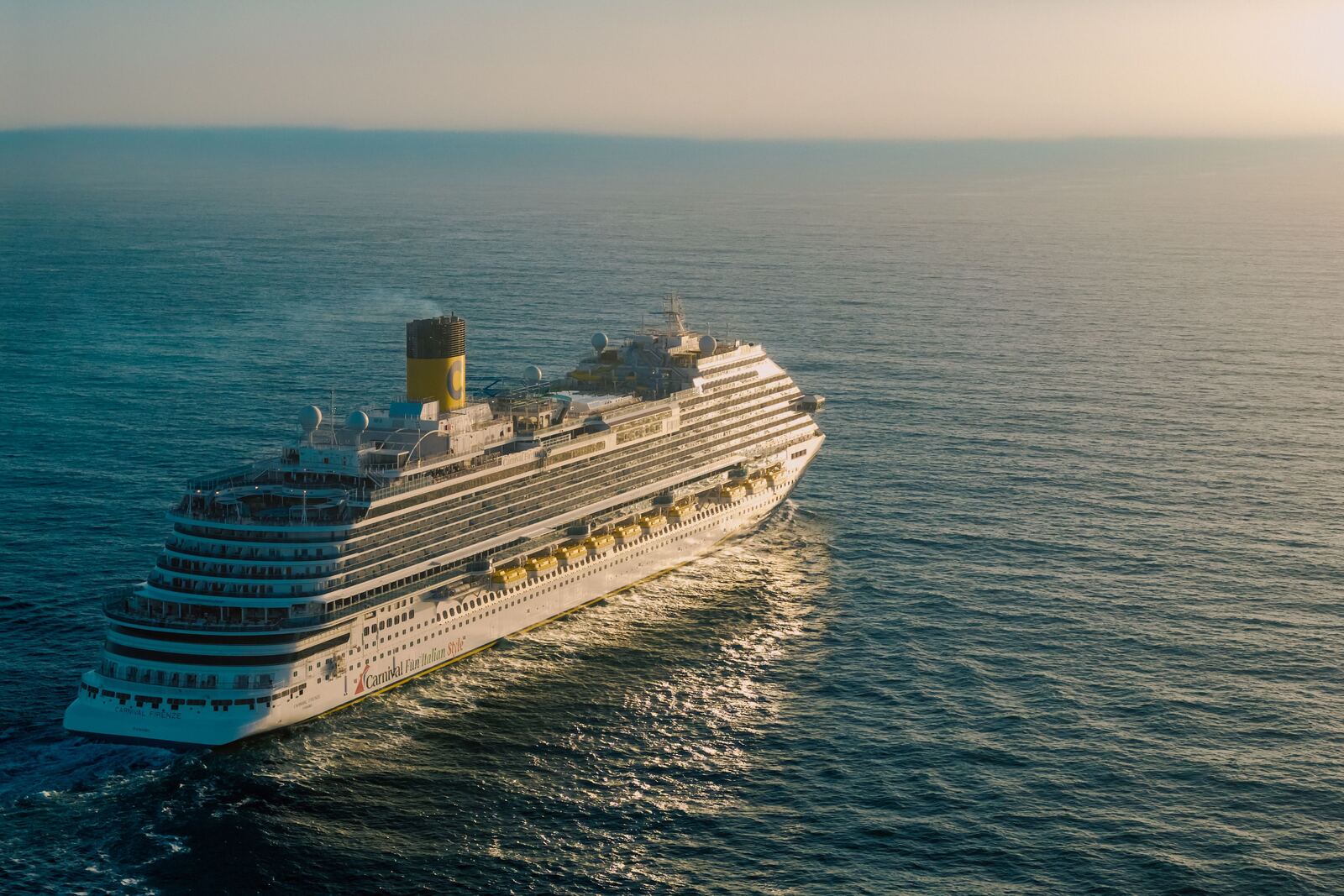
Onboard a cruise ship, cash is essentially useless for anything except tips — every purchase gets charged to a stateroom account tied to a credit card. Once ashore, though, it's a different story: ATMs can be scarce, port-area machines charge more than downtown ones, and the ship's own ATM fees are steep enough to plan around.
Cash onboard: what it's actually used for
Every cruise ship runs on a cashless system for the duration of the sailing — the room key doubles as a charge card, and cash isn't accepted for drinks, specialty dining, spa treatments, or the casino (which uses its own chip/token system). The one place cash still matters onboard is tipping: while gratuities are typically added automatically to the onboard account, many passengers carry cash specifically for extra tips to stateroom attendants and wait staff who went above and beyond.
| Situation | Cash needed? |
|---|---|
| Onboard dining, drinks, shops, spa | No — charged to stateroom account |
| Casino chips/tokens | No — typically card-funded onboard system |
| Extra tips for crew | Cash preferred by many passengers, though not required |
| Port-day shopping, taxis, street vendors | Yes — local currency or USD widely accepted in many Caribbean ports |
ATMs at ports of call
ATMs exist in most cruise ports, but availability and fees vary widely — machines located directly in cruise terminals and nearby shopping areas tend to charge more than ATMs a few blocks into town. Some smaller or less-developed ports may have limited or unreliable ATM access altogether, which is the main argument for carrying some cash from home rather than counting on finding a machine ashore.
Withdrawing cash from a home bank or a no-fee ATM network before heading to the embarkation port avoids both the ship's ATM fees and the uncertainty of finding a reliable machine at every stop. [Replace this box with your actual travel money/currency card affiliate link once approved.]
Example: Compare no-fee travel debit and currency cards →How much cash to bring
A rough guide many cruisers use: $20-40 in small bills per port day for tips, taxis, and small purchases, plus a slightly larger reserve for planned shopping or an independent excursion paid in cash. US dollars are widely accepted in most Caribbean, Mexican, and many Central American ports even where the local currency differs, though change may come back in local currency — worth factoring in before assuming USD works everywhere on the itinerary.
| Cash need | Rough amount |
|---|---|
| Extra tips for the full cruise | $40-100 total, depending on cabin category and crew interactions |
| Per port day (taxis, small purchases) | $20-40 |
| Independent excursion booked in cash locally | Varies — often $50-150 per excursion |
Notifying the bank of travel dates and destinations before departure prevents a card from being frozen for suspicious activity mid-cruise — a common and entirely avoidable problem at the worst possible time. [Replace this box with your actual travel banking notification affiliate link once approved.]
Example: Compare travel-friendly bank accounts and cards →The bottom line
Cash is nearly irrelevant onboard except for optional extra tipping, but it matters more than expected once ashore — port ATMs aren't always reliable, and the ship's own ATM carries a real fee on every withdrawal. Bringing $150-300 in small bills from home, split between tipping cash and port spending money, covers most cruises without relying on ATMs at all.