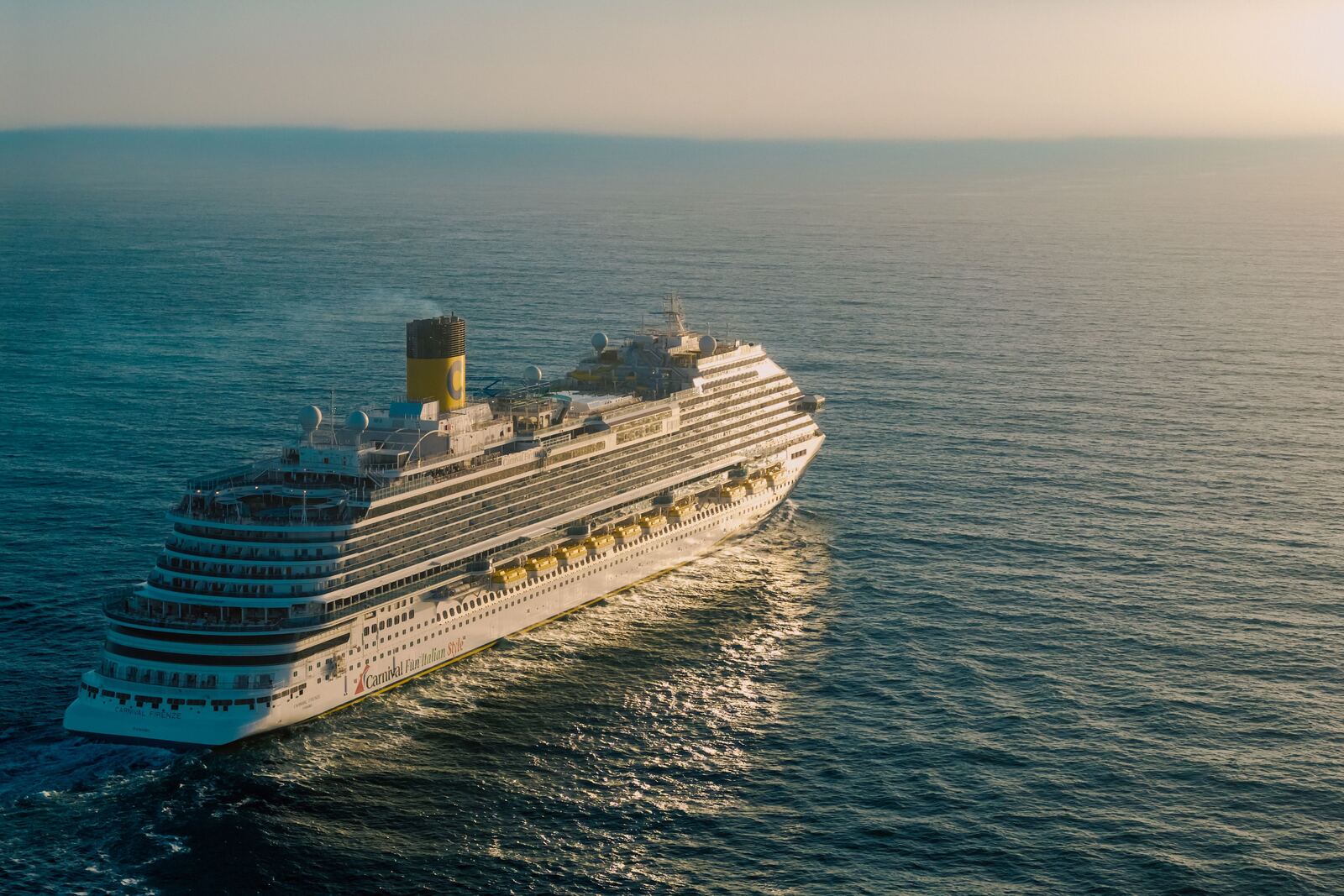
Large cruise lines do staff onboard medical centers with licensed doctors and nurses around the clock, but it's worth being clear-eyed about what that actually means: these are urgent-care facilities, not hospitals, and the bills — plus the near-universal fact that your regular health insurance won't cover them — catch a lot of first-time cruisers off guard.
What the medical center can actually treat
Onboard medical centers are equipped for common illnesses, injuries, infections, dehydration, seasickness, and urgent problems that need stabilizing until shore-based treatment is available. Most are equipped with exam rooms, pharmacy supplies, oxygen, cardiac equipment, and isolation areas for contagious illness — solid urgent-care-level capability, but not equivalent to a full hospital. Serious conditions still require transport to a land-based facility, sometimes by helicopter.
| Service | Typical cost |
|---|---|
| Standard visit (during office hours) | $100-200 |
| After-hours visit | $300-600 |
| Common tests/treatments | Can run into the thousands |
| Overnight infirmary stay | $1,000-3,000 per day |
| Helicopter medical evacuation | $15,000-150,000 depending on distance and region |
A travel insurance policy with at least $150,000-250,000 in medical evacuation coverage is the single biggest financial protection against the worst-case cruise medical scenario — a remote-region helicopter evacuation can otherwise run six figures. [Replace this box with your actual cruise travel insurance affiliate link once approved.]
Example: Compare cruise travel insurance with medical evacuation coverage →Real evacuation cost examples
A Caribbean cruise emergency requiring ship-to-shore transport to a Florida hospital averages around $20,000. A helicopter rescue in a remote region like Alaska or the South Pacific can run $50,000-150,000 before any actual treatment is factored in. Without insurance, total exposure in a worst-case scenario can easily exceed $100,000 — a cost almost no one budgets for when planning a cruise.
| Scenario | Typical cost |
|---|---|
| Caribbean cruise, ship-to-shore transport to Florida hospital | ~$20,000 |
| Helicopter rescue, remote Alaska or South Pacific | $50,000-150,000 |
| Comprehensive travel insurance for a $10,000 cruise | $400-1,000 (4-10% of trip cost) |
| Medical-only travel insurance plan | ~$101 average |
If you're on Medicare, confirming your specific coverage gaps for medical care outside the US and evacuation transport before sailing avoids an unpleasant surprise — most Medigap plans cap foreign emergency coverage at $50,000 lifetime. [Replace this box with your actual supplemental insurance affiliate link once approved.]
Example: Compare supplemental cruise medical coverage →The bottom line
Cruise ships genuinely do have licensed medical staff available around the clock, and the onboard medical center can handle most common illnesses and injuries competently. But it's an out-of-pocket, urgent-care-level service — your regular insurance almost certainly won't cover it, and a serious medical evacuation can run into six figures without the right coverage. A dedicated travel insurance policy with strong medical evacuation limits is one of the few pre-cruise purchases that genuinely protects against a worst-case financial outcome.