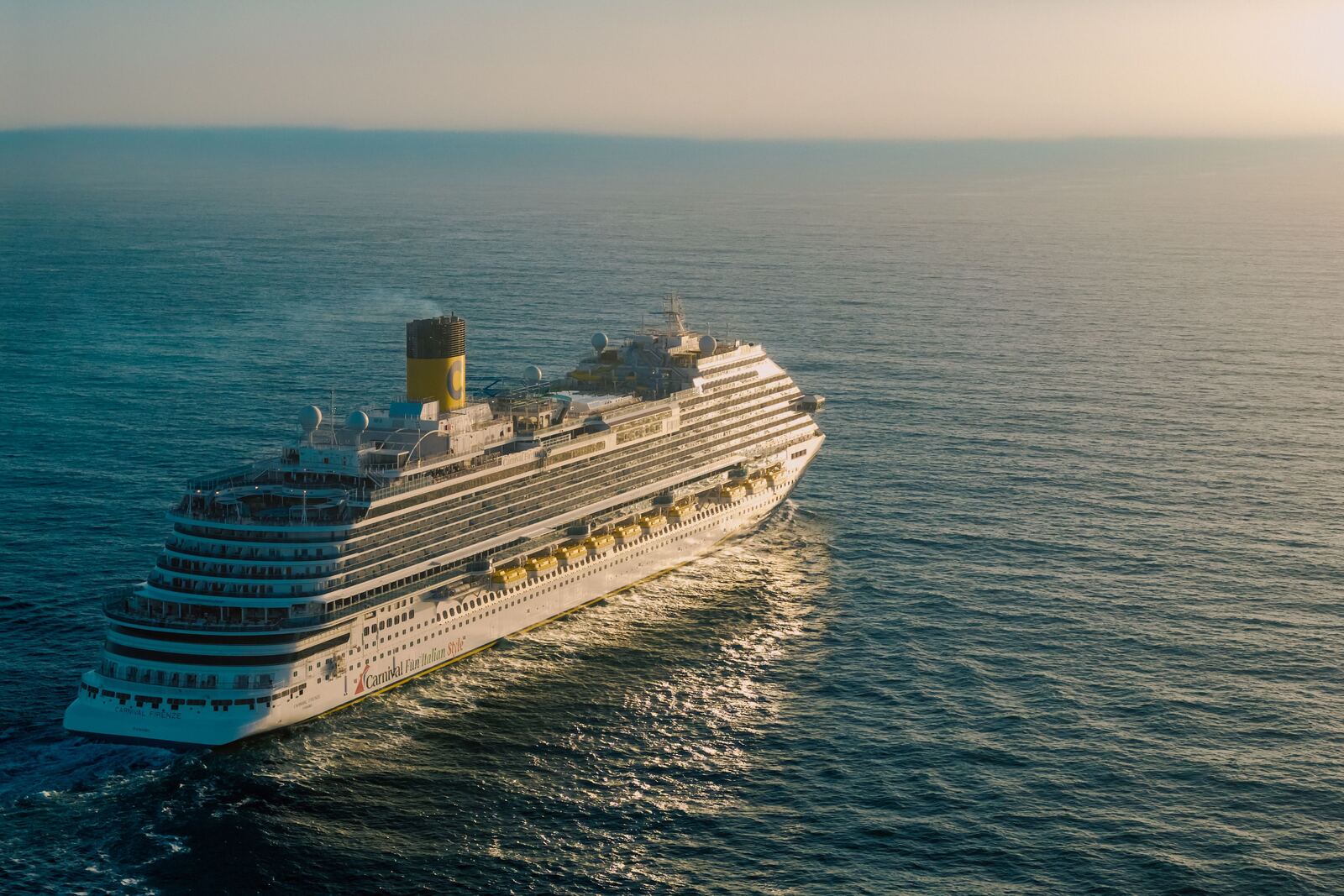
Modern cruise ships are among the more accessible ways to travel — public spaces, dining rooms, and entertainment venues are all built to ADA standards, and elevators mean no stairs are unavoidable. The catch is that accessible cabins are a small slice of total inventory, and getting ashore at tender ports comes with real limitations that aren't always obvious at booking time.
Types of accessible cabins
Most major lines split accessible cabins into two categories, and booking the wrong one is a common mistake. Fully Accessible Cabins are built for guests who use a wheelchair or scooter regularly — wider turning space, roll-in showers, accessible routes throughout. Ambulatory Accessible Cabins suit guests with mobility limitations who don't need a wheelchair full-time, such as those using a cane or walker for longer distances, and have some accessibility features but less turning radius.
| Cabin type | Best for | Key features |
|---|---|---|
| Fully Accessible Cabin (FAC) | Guests who use a wheelchair or scooter regularly | Roll-in shower, wide doorways, full turning radius, accessible routes |
| Ambulatory Accessible Cabin (AAC) | Guests with limited mobility who don't use a wheelchair full-time | Grab bars, some accessible features, narrower turning space than FAC |
Accessibility by cruise line
| Cruise line | Accessible cabin range | Notable features |
|---|---|---|
| Royal Caribbean | 159-298 sq ft | Widest doorways among mainstream lines (32-36 in), roll-in showers, pool lifts on most ships, 5-foot turning radius |
| Carnival | Varies by ship | FAC and AAC cabin types, wheelchair assistance first-come first-served, 325 lb weight limit for assistance |
| Holland America | Varies by ship | Dedicated accessibility program with documented ADA-compliant public spaces and service animal accommodations |
Contacting the cruise line's accessibility desk directly — not just noting a mobility need in a general booking form — is the more reliable way to confirm an accessible cabin and any assistive equipment needs before the sailing date. [Replace this box with your actual travel planning/accessibility service affiliate link once approved.]
Example: Compare accessible cruise cabin availability →Tender ports and the accessibility gap
Ports where the ship anchors offshore and shuttles passengers ashore by small tender boat are the biggest accessibility barrier at sea. Most cruise lines have a blanket policy that power wheelchairs and mobility scooters cannot be transported on tender boats — manual wheelchairs may be allowed at the captain's discretion depending on sea conditions, but that's not guaranteed. Checking whether specific ports on an itinerary are tender or dock-side ports before booking avoids an unpleasant surprise on embarkation day.
Itineraries with mostly dock-side ports (rather than tender ports) give guests using power mobility devices a realistic shot at going ashore at every stop — checking each port's tender status in advance is worth the extra few minutes. [Replace this box with your actual itinerary planning affiliate link once approved.]
Example: Compare itineraries by port accessibility →What ADA compliance covers onboard
All public spaces on major cruise ships — dining rooms, entertainment venues, lounges, and pools — must meet ADA requirements, with elevators and ramps available as alternatives to stairways and service animals permitted onboard. This applies to public areas fleet-wide, though the accessible cabin inventory itself remains limited regardless of how accessible the public spaces are.
The bottom line
Cruising with a disability is genuinely workable on major lines thanks to ADA-compliant public spaces, but the accessible cabin inventory is small and tender ports remain a real limitation for guests using power mobility devices. Booking early through the cruise line's accessibility desk, confirming tender vs. dock-side ports on the itinerary, and requesting boarding assistance about 30 days ahead are the three things that make the biggest difference.