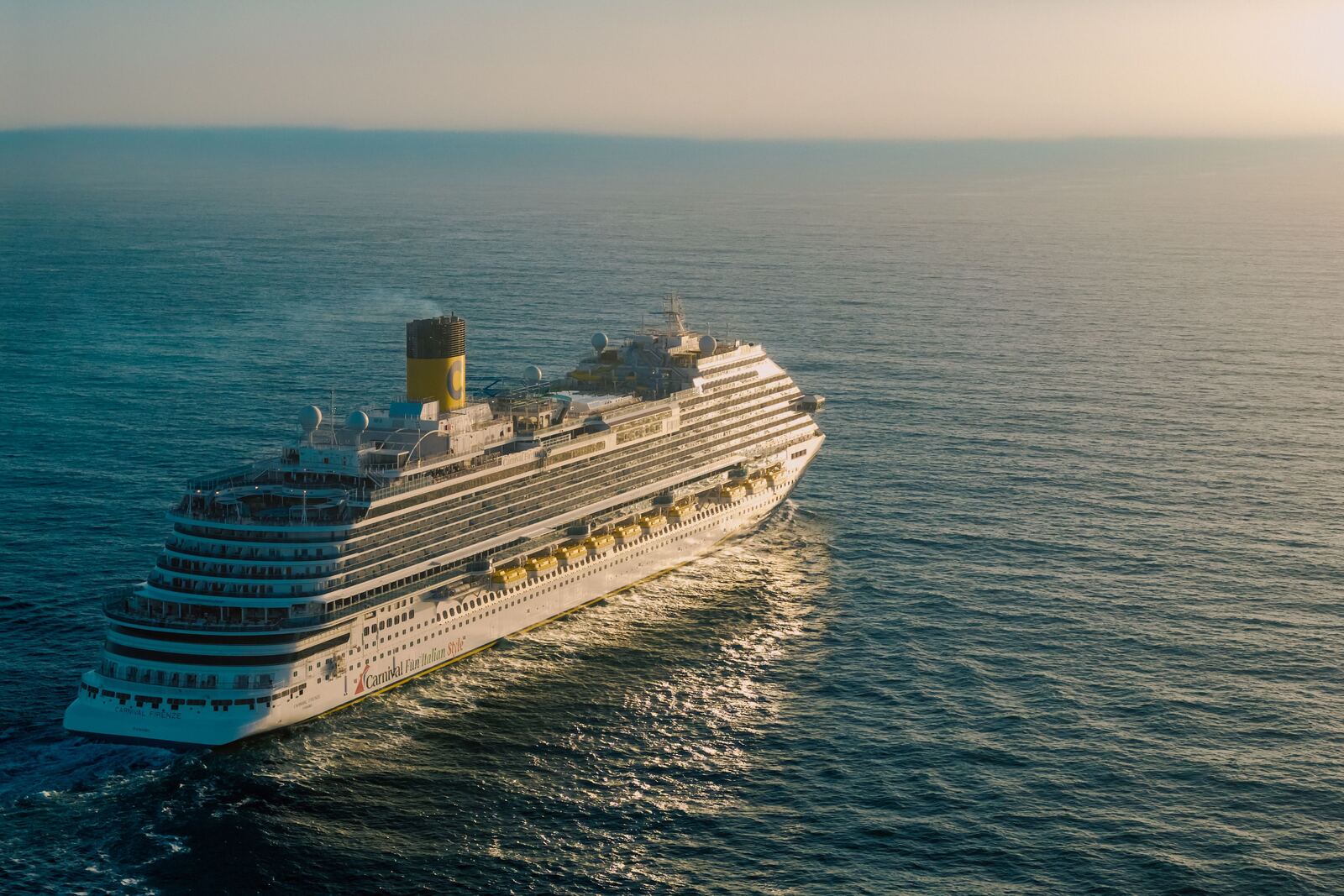
Cruise wifi is priced like a luxury because the ship has zero competition once you're at sea — and the packages have gotten more expensive across nearly every major line heading into 2026. Whether it's worth buying depends less on the price tag and more on what you actually need connectivity for, because for most passengers a cheaper alternative covers the same need for a fraction of the cost.
What cruise wifi actually costs in 2026
| Cruise line | Plan | Price |
|---|---|---|
| Carnival | Social Plan | $20.40/day (pre-cruise) |
| Carnival | Value Plan | $23.80/day (pre-cruise) |
| Carnival | Premium Plan | $25.50/day (pre-cruise) |
| Carnival | Premium Multi-Device (up to 4 devices) | $90/day |
| Norwegian | Standard / Premium / Premium Plus | $25-40/day depending on tier and booking timing |
| Royal Caribbean | Single device (consolidated plan, price scales with devices) | ~$20/day, slightly higher on newest ships |
What you're actually paying for
Ship wifi runs over a shared satellite connection split across everyone onboard who's bought a package — thousands of devices competing for the same bandwidth. Even the "Premium" tiers marketed for video calls and streaming can slow to a crawl during peak hours (evenings, sea days) or in areas with weaker satellite coverage. It's serviceable for email, messaging, and basic browsing; it's inconsistent for video calls and often unusable for streaming video.
An eSIM built for cruising connects your phone directly to the ship's maritime antenna on a separate, uncongested network — for most cruisers it's noticeably faster and cheaper than the line's own wifi package. [Replace this box with your actual eSIM/connectivity affiliate link once approved.]
Example: Cruise eSIM options →Cheaper alternatives, compared
| Option | Typical cost | Best for |
|---|---|---|
| Cruise-specific eSIM | Roughly $5-15 for a week, pay-per-GB or flat rate | Anyone who wants reliable, private data without sharing ship bandwidth |
| Carrier cruise/roaming package (AT&T, Verizon) | ~$20+/day | Travelers who want their existing number to just work, no setup |
| Regional eSIM for port days | A few dollars per country/region, activated only when needed | Cruisers who only need data in port, not at sea |
| Portable wifi device (Skyroam, Solis) | Daily rental or data-based pricing | Groups sharing one connection in coastal areas or near port |
| Free port wifi (cafes, terminals) | Free | Anyone willing to wait until docked and do a quick data dump |
How to decide
| If you... | Do this |
|---|---|
| Just want to check email and post a few photos | Skip the ship package — free port wifi plus offline mode covers this |
| Need to stay reachable for work or family emergencies | A cruise eSIM is cheaper and more reliable than the ship's package for basic connectivity |
| Are traveling with a group who all need data | Compare the ship's multi-device plan against each person getting their own eSIM — eSIMs usually still win on price |
| Genuinely need video calls or streaming at sea | Test the ship's Premium tier first — it's the only option built for that use case, even if imperfect |
The bottom line
Cruise wifi packages run $16 to $40 per device per day in 2026 and share bandwidth across the whole ship, which means the price rarely matches the performance. A cruise-specific eSIM covers most passengers' actual needs — email, messaging, light browsing — for a fraction of the cost and often with a faster, less congested connection. The ship's own package is worth the premium mainly for passengers who need dependable video calls or heavier data use and are willing to pay for the only option built to support that.