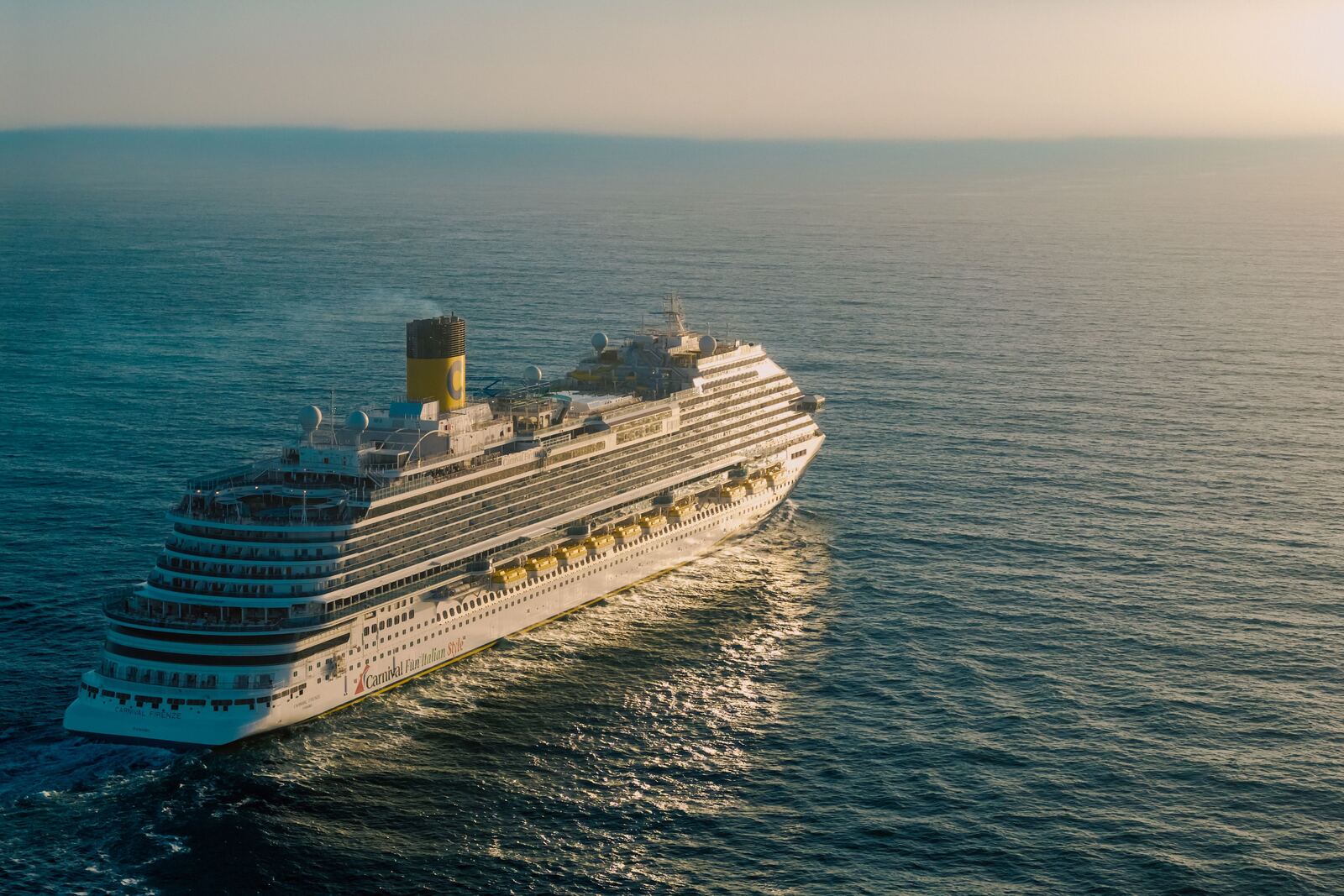
Free champagne, a numbered paddle, and a room full of framed prints — cruise ship art auctions are a fixture on most major lines, run almost exclusively through partnerships with outside galleries like Park West. The events are genuinely entertaining, but the appraisal values quoted during bidding have drawn real, well-documented scrutiny, and knowing how those numbers get calculated matters before raising a paddle.
How the events work
Art auctions on most major cruise lines are run through outside gallery partners, most commonly Park West Gallery. Sessions are typically framed as "art introductions" or "champagne art events" — free champagne and a lively presentation build an atmosphere designed to make bidding feel fun rather than transactional. Passengers get a numbered bidding paddle and are asked to fill out an extensive registration form before the auction begins.
Documented cases worth knowing
Since 2008, more than 21 lawsuits have been filed against Park West Gallery, several involving disputed authenticity or inflated valuations. In one widely reported case, a passenger paid nearly $73,000 for three Salvador Dalí prints quoted as valued over $100,000 — an independent appraisal back home valued them at under $10,000, with questions raised about authenticity. Another case involved a couple who paid over $420,000 for a print collection appraised onboard at $510,000, only for outside experts to later dispute both the valuation and the authenticity of the signatures.
| What happened | Onboard claim | Independent finding |
|---|---|---|
| Dalí print set (documented case) | Valued over $100,000, sold for ~$73,000 | Independently appraised under $10,000 |
| 100-print collection (documented case) | Appraised at $510,000, sold for $422,601 | Value and signature authenticity disputed by outside experts |
Researching comparable prices for a specific artist or print series through independent art marketplaces — not just the onboard appraisal — takes a few minutes and can prevent a significantly overpaid purchase. [Replace this box with your actual art valuation research tool affiliate link once approved.]
Example: Compare independent art valuation and marketplace tools →The hidden costs beyond the bid
Even a piece won for a low or "free" opening bid can end up costing well over $100 once framing, appraisal certificates, and shipping fees are added — these extras are where cruise ship art auction operations make a meaningful share of their revenue, beyond the auction price itself.
| Add-on | Typical range |
|---|---|
| Framing | Often $50-150+, varies by piece size |
| Certificate of authenticity / formal appraisal | ~$35 and up |
| Shipping to home address | Additional fee on top of the purchase price |
Buying art onboard purely for enjoyment and wall space — not as an investment — is the approach recommended by most independent reviewers; treating any quoted "value" as a marketing number rather than a resale guarantee avoids the most common regret. [Replace this box with your actual home decor/art framing affiliate link once approved.]
Example: Compare framing and display options for cruise art purchases →The bottom line
Cruise ship art auctions are genuinely entertaining events, but the well-documented pattern of inflated "insurance replacement value" appraisals and more than two decades of lawsuits against the dominant operator mean the quoted values shouldn't be treated as investment guidance. Buying a piece because it's genuinely liked, budgeting for framing and shipping on top of the bid price, and independently researching comparable prices before bidding are the three things that separate a fun souvenir from an expensive regret.