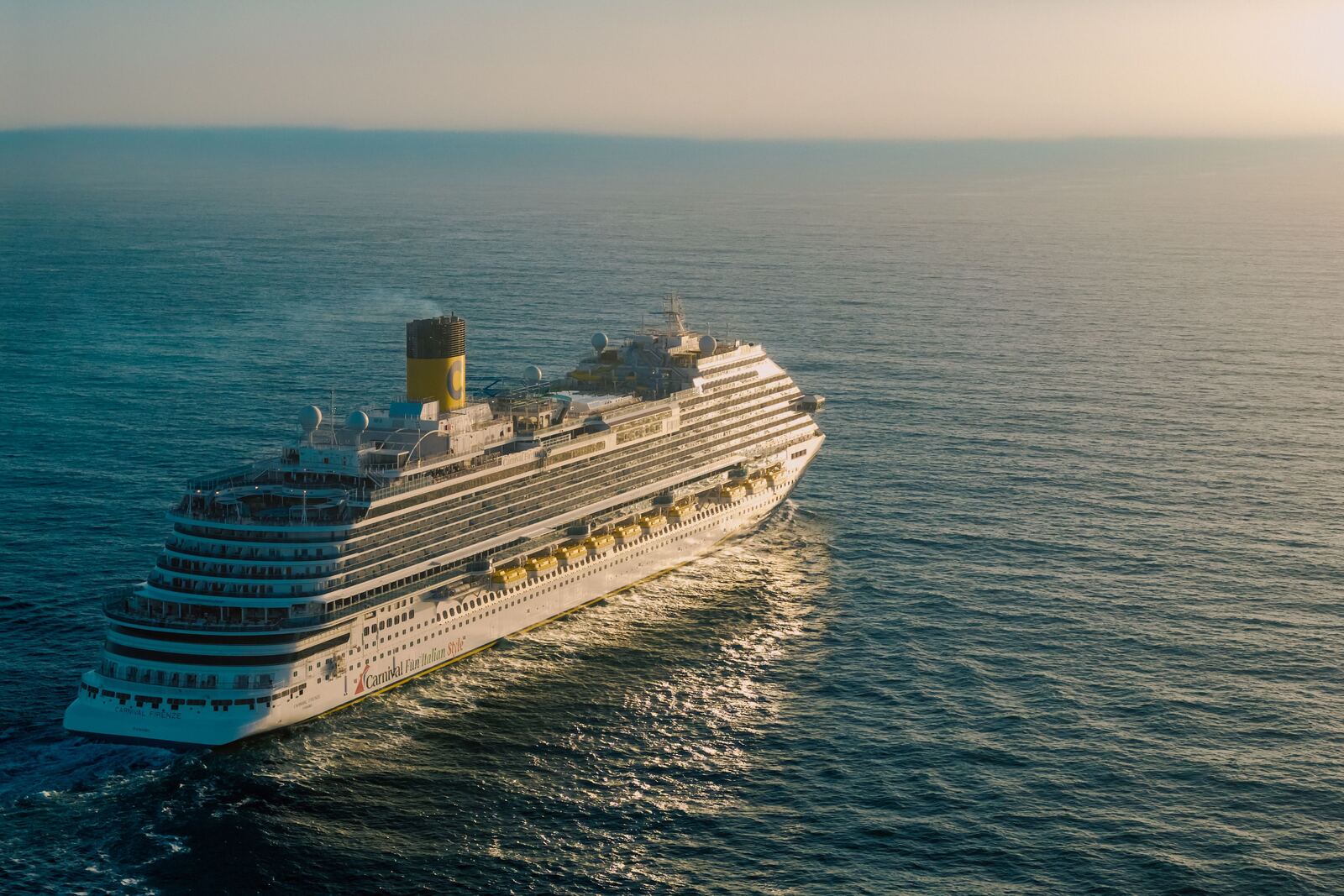
"Best time to cruise" depends entirely on which region you're sailing and what you're optimizing for — weather, price, crowds, or wildlife. The Caribbean, Alaska, and the Mediterranean each have a genuinely different sweet spot, and the shoulder seasons around peak months often deliver the best overall value once you weigh in the trade-offs.
Caribbean: February-April
February through April delivers the Caribbean's best combination of consistently calm seas, dry weather, and warm temperatures in the 75-85°F range — without the hurricane risk that builds through late summer and fall. Atlantic hurricane season officially runs June 1 through November 30, with the highest activity between August and October. Hurricane-season cruises do offer the lowest fares of the year, but that discount comes with real weather and itinerary-change risk.
| Period | Weather/seas | Price | Trade-off |
|---|---|---|---|
| February-April | Dry, calm, 75-85°F | Higher (peak demand) | Best weather, but not the cheapest |
| June-July | Start of hurricane season, warmer/wetter | Moderate | Rising storm risk begins |
| August-October | Peak hurricane season | Lowest fares of the year | Real risk of itinerary changes or rough seas |
If you're booking during hurricane season for the lower fare, a travel insurance policy covering itinerary changes and weather-related cancellations is worth the extra cost given the real risk during those months. [Replace this box with your actual hurricane-season travel insurance affiliate link once approved.]
Example: Compare hurricane-season cruise insurance →Alaska: June-July (peak) or May/September (value)
June and July are Alaska's sweet spot: up to 22 hours of daylight, peak whale and wildlife activity, and the best odds of clear glacier viewing. The trade-off is price and crowds — July and August cruises cost noticeably more and see the season's heaviest traffic. May and September run 20-40% cheaper with fewer crowds; May brings the dramatic spring emergence of Alaska's wilderness, while September offers fall colors on the hillsides and occasional Northern Lights visibility on the return south, at the cost of colder weather and shorter days.
| Month | Highlight | Trade-off |
|---|---|---|
| May | 20-40% cheaper, spring wilderness emergence, fewer crowds | Colder, occasional snow at elevation, shorter daylight |
| June-July | Peak daylight (up to 22 hrs), best wildlife and glacier viewing | Highest prices, heaviest crowds |
| September | 20-40% cheaper, fall colors, possible Northern Lights | Colder, shorter daylight |
May and early June consistently rank as the strongest value window for Alaska cruises — lower prices and fewer crowds without sacrificing much of the wildlife and scenery peak-season cruisers pay a premium for. [Replace this box with your actual Alaska cruise booking affiliate link once approved.]
Example: Compare Alaska cruise dates and pricing →Mediterranean: May, June, and September
May, June, and September beat peak summer for the Mediterranean on nearly every metric that matters for exploring on foot: temperatures sit around 70-80°F rather than the intense heat of July-August, port cities aren't as overrun, and prices typically drop 15-25% compared to peak summer sailings.
| Period | Temperature | Crowds | Price vs. peak |
|---|---|---|---|
| May, early June, September | ~70-80°F, comfortable for walking tours | Noticeably lighter | 15-25% lower |
| July-August | Intense heat, less comfortable for shore excursions | Peak crowds at major ports | Highest of the year |
The bottom line
Chasing the absolute best weather usually means paying peak prices — Caribbean February-April, Alaska June-July, Mediterranean May/June/September for ideal conditions. If budget and lighter crowds matter more than perfect weather, the shoulder seasons around each region's peak (Alaska's May/September, the Mediterranean's spring/fall window, or even Caribbean hurricane season for the risk-tolerant) can save 15-40% with only modest trade-offs in weather or daylight.