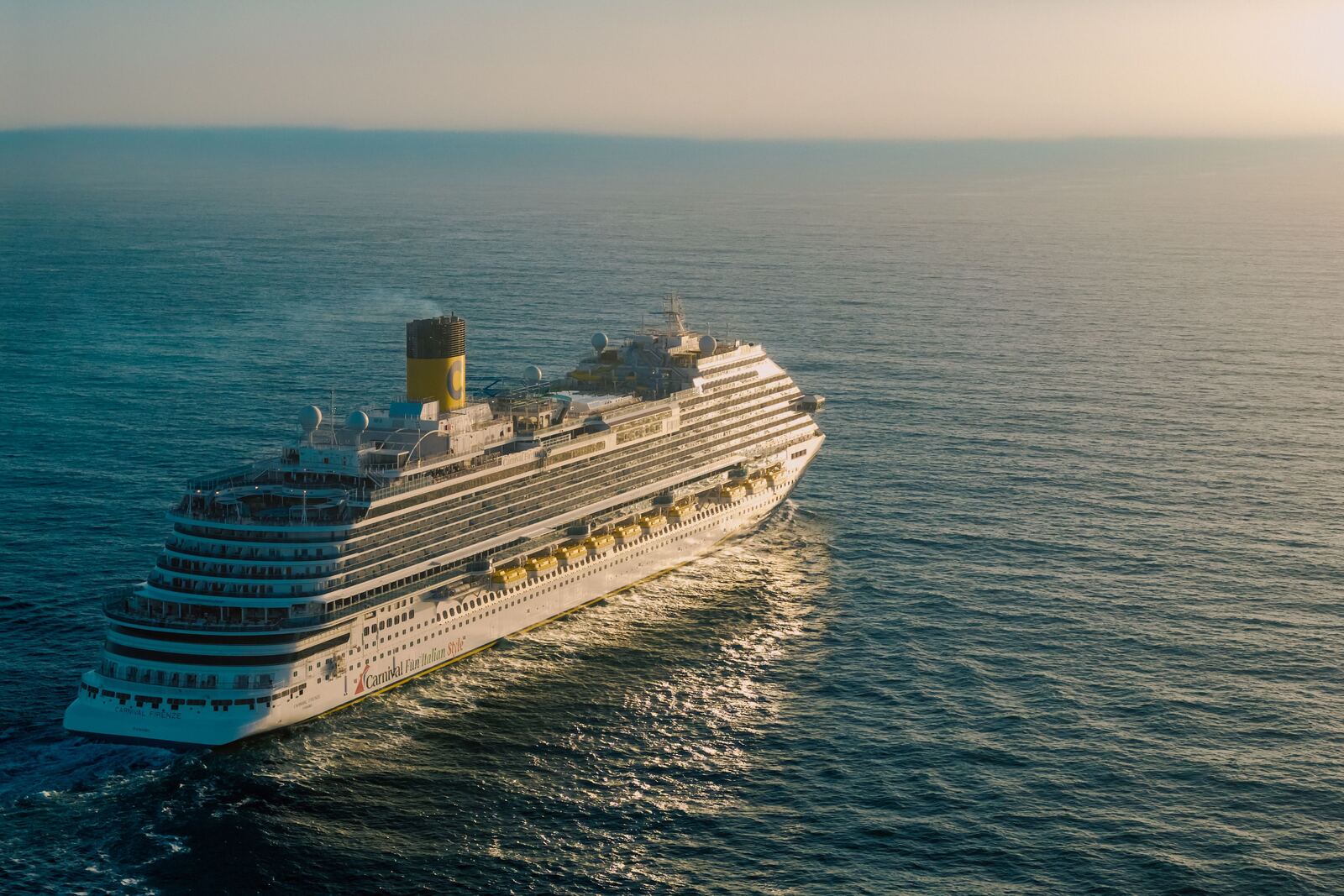
A one-way Sydney-to-Auckland (or reverse) crossing is the most common way to see both Australia and New Zealand by ship, trading a couple of open-ocean sea days across the Tasman Sea for some of the most dramatic scenery in cruising — Fiordland's Milford Sound chief among it. Most sailings run 10 to 16 nights depending on how many New Zealand ports are included.
Embarkation — Sydney, Australia
One of the world's most photographed harbors, with time for the Sydney Harbour Bridge before departure
Most sailings depart Sydney in the evening, sailing out past the Opera House and under the Harbour Bridge — a genuinely dramatic send-off. Embarkation morning is enough time for a Harbour Bridge climb or a walk through The Rocks for those arriving a day early.
| Activity | Typical price | Time needed | Notes |
|---|---|---|---|
| Sydney Harbour BridgeClimb | From ~$200-260/person (standard daytime climb) | 3-3.5 hrs | Best booked ahead; twilight climbs cost more |
| Sydney Opera House tour | From $40-50/person | 1 hr | Guided interior tours run throughout the day |
| The Rocks self-guided walk | Free | 1-2 hrs | Historic harborside district near the cruise terminal |
Melbourne, Australia
Gateway to the Great Ocean Road and the Twelve Apostles limestone stacks
Melbourne itself is a walkable, laneway-and-coffee-culture city, but most cruise passengers use the stop as a launch point for the Great Ocean Road — one of the world's great coastal drives, ending at the Twelve Apostles rock formations.
| Activity | Typical price | Time needed | Notes |
|---|---|---|---|
| Great Ocean Road & Twelve Apostles day tour | From $95-149/person | Full day | A long day — confirm it fits the ship's departure time |
| Melbourne laneways & city walking tour | Free to $30-40/person guided | 1.5-2 hrs | Street art, coffee culture, and Victorian-era architecture |
| Queen Victoria Market | Free to browse | 1-2 hrs | One of the Southern Hemisphere's largest open-air markets |
The Great Ocean Road tour is a full-day commitment on a single port stop — confirm the ship's all-aboard time carefully before booking, since this excursion runs closer to the edge of the schedule than most. [Replace this box with your actual Australia/New Zealand excursion affiliate link once approved.]
Example: Compare Australia & New Zealand shore excursions →Sea Day — Tasman Sea
The first of two full days crossing between Australia and New Zealand
The Tasman Sea crossing is one of the longer open-water stretches in mainstream cruising, and can bring noticeably more motion than a typical Caribbean sea day — packing motion sickness remedies is worth doing regardless of how well you usually handle a ship.
Sea Day — Tasman Sea
Continuing east toward New Zealand's Fiordland coast
The second sea day typically brings onboard lectures on New Zealand's geology and Maori culture, ahead of the following day's approach into Fiordland — one of the most anticipated stretches of the entire itinerary.
Milford Sound Scenic Cruising
Not a port call — the ship cruises directly through the fjord itself
Milford Sound isn't a disembarkation stop; ships sail directly into the fjord and slowly cruise past Mitre Peak and the surrounding cliffs, often turning around near the fjord's head before continuing on. It's widely considered the single most scenic day of an Australia & New Zealand itinerary, and worth being on deck early for.
| What to expect | Notes |
|---|---|
| Scenic cruising, included in fare | No excursion to book — this is a full-ship viewing day |
| Weather-dependent visibility | Fiordland receives heavy rainfall; waterfalls are often more dramatic in wet weather |
| Best viewing spots | Forward-facing open decks fill up early on approach into the fjord |
Dunedin, New Zealand
Scottish heritage architecture and access to the Otago Peninsula's wildlife
Dunedin has the strongest Scottish heritage of any New Zealand city, visible in its Victorian and Edwardian architecture. The Otago Peninsula, a short drive from the port, is home to the only mainland royal albatross colony in the world, along with penguins and seals.
| Activity | Typical price | Time needed | Notes |
|---|---|---|---|
| Otago Peninsula wildlife tour | From $90-140/person | Half day | Albatross colony, yellow-eyed penguins, and fur seals |
| Dunedin city & Larnach Castle tour | From $80-110/person | Half day | New Zealand's only castle, built in the 1870s |
| Dunedin city center self-guided walk | Free | 1-2 hrs | Historic railway station and Octagon town center |
Akaroa, New Zealand
A French-settled village inside a volcanic harbor, gateway to Christchurch
Akaroa sits inside the crater of an extinct volcano and retains a distinctly French character from its 1840s settlers — street names and architecture both reflect it. Hector's dolphins, the world's smallest and rarest marine dolphin, are commonly spotted in the harbor.
| Activity | Typical price | Time needed | Notes |
|---|---|---|---|
| Hector's dolphin swim/watch tour | From $90-150/person | 2-3 hrs | One of the best chances in the world to see this rare species |
| Christchurch day tour | From $100-150/person | Full day | A longer drive from the port; covers the rebuilt city center |
| Akaroa village self-guided walk | Free | 1 hr | Small, walkable French-influenced village center |
Wellington, New Zealand
New Zealand's compact, hilly capital, home to Te Papa museum and film industry history
Wellington is small enough to explore largely on foot from the cruise terminal, with Te Papa — New Zealand's national museum, free to enter — as the city's centerpiece attraction. The city is also closely tied to the film industry, with several nearby locations tied to major productions.
| Activity | Typical price | Time needed | Notes |
|---|---|---|---|
| Te Papa Museum | Free entry (donations welcome) | 2-3 hrs | New Zealand's national museum, near the waterfront |
| Wellington cable car & city tour | From $50-70/person | Half day | Covers the cable car, botanic garden, and city viewpoints |
| Weta Workshop tour | From $40-55/person | 1-1.5 hrs | Behind-the-scenes look at the film effects studio |
Bay of Islands, New Zealand
The "Hole in the Rock" boat cruise and New Zealand's founding history
Ships typically anchor and tender passengers into Paihia or nearby Russell. The Bay of Islands' signature excursion is a boat cruise out to Piercy Island, where erosion has carved a hole straight through the rock — boats pass directly through it, weather permitting.
| Activity | Typical price | Time needed | Notes |
|---|---|---|---|
| Hole in the Rock cruise | From $79-135/person | 3-4 hrs | Dolphin sightings common along the route |
| Waitangi Treaty Grounds | Separate entry fee, roughly $40-50 | 1.5-2 hrs | Site of New Zealand's founding treaty, with cultural performances |
| Russell historic village | Free to walk | 1 hr | New Zealand's first permanent European settlement |
The Hole in the Rock cruise is weather-dependent — boats only pass through the rock formation itself when sea conditions allow, so it's worth checking the operator's policy on rough-weather alternatives before booking. [Replace this box with your actual Bay of Islands excursion affiliate link once approved.]
Example: Compare Bay of Islands boat tours →Disembarkation — Auckland, New Zealand
New Zealand's largest city, ending the crossing on the North Island
| Task | Timing | Why it matters |
|---|---|---|
| Settle onboard account | Night before, via TV or app | Avoids a line at guest services on the last morning |
| Book flights out of Auckland, not Sydney | Before the cruise | This is a one-way itinerary — return travel starts from a different country |
| Confirm New Zealand entry requirements separately | Before departure | Australia and New Zealand have distinct visa/entry rules even on the same cruise |
The bottom line
An Australia & New Zealand crossing packs two countries' worth of variety into 10 days — Sydney and Melbourne's city energy, two full Tasman Sea days, a scenic cruise through Milford Sound that regularly gets called the highlight of the whole trip, and a run of distinct New Zealand port towns before ending in Auckland. Because it's one-way, the flight logistics deserve as much attention as the port planning, and the Tasman Sea crossing is worth preparing for if you're prone to motion sickness.